
The Role of Water Treatment in Sustainable Manufacturing Operations
Posted by David Cannon on 9th Jun 2026
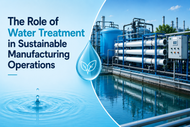
Water treatment plays a critical role in manufacturing because water is used in a wide range of industrial processes, including cooling, heating, cleaning, rinsing, product formulation, and steam generation.
Why is Water Treatment Important?
Poor water quality can lead to scale buildup, corrosion, equipment fouling, production inefficiencies, increased maintenance costs, and product quality issues. Effective water treatment helps manufacturers maintain reliable operations, protect valuable assets, comply with environmental regulations, reduce water consumption, and improve overall process efficiency.
As sustainability becomes a greater priority across industries, proper water treatment also supports water conservation efforts and helps organizations achieve their environmental and operational goals.
Why Sustainable Manufacturing Depends on Water Management?
Water is one of the most valuable resources in industrial and commercial manufacturing operations. It supports critical processes such as equipment cooling, boiler feed systems, product formulation, cleaning, rinsing, and wastewater treatment. As manufacturers face growing pressure to improve environmental performance while maintaining operational efficiency, effective industrial water management has become a fundamental component of sustainable manufacturing.
- Reducing Water Consumption - Many manufacturing facilities consume significant volumes of water each day. Implementing water management strategies helps organizations identify opportunities to reduce unnecessary consumption, optimize process efficiency, and increase water reuse.
- Improving Process Efficiency - Proper industrial water treatment system and monitoring programs help maintain optimal system performance, improve equipment reliability, and support more efficient manufacturing operations.
- Supporting Regulatory Compliance - Environmental regulations governing water usage, wastewater discharge, and pollutant management continue to evolve across the United States. Effective water management programs help facilities maintain compliance with local, state, and federal requirements while reducing the risk of violations, fines, and operational disruptions.
- Lowering Environmental Impact - Water management contributes directly to this objective by minimizing water withdrawals, reducing wastewater generation, decreasing chemical consumption, and supporting responsible resource stewardship throughout the manufacturing process.
- Enabling Water Reuse and Recycling - Advanced industrial water treatment system technologies allow manufacturers to recover, recycle, and reuse process water that would otherwise be discharged.
- Protecting Critical Assets - Untreated or poorly managed water can accelerate equipment degradation through corrosion, scaling, and biological growth. Effective water treatment programs help protect assets, extend equipment life, and reduce maintenance costs over the long term.
Understanding Water's Role in Manufacturing Operations
Water is one of the most important resources used in manufacturing facilities across many industries. From food processing and pharmaceuticals to automotive and power generation, water supports a wide range of production activities that help keep operations running efficiently.
Effective industrial water management and treatment help ensure that water meets the specific requirements of each manufacturing application. By maintaining proper water quality, facilities can improve process reliability, protect critical assets, reduce operating costs, and support regulatory compliance.
As manufacturers continue to focus on sustainability and resource conservation, water has become more than just a utility, it is a strategic operational asset. Understanding how water affects manufacturing processes is the first step toward improving efficiency, reducing environmental impact, and achieving long-term operational success.
Key Sustainability Challenges Facing Manufacturers
Manufacturers today face increasing pressure to improve sustainability while maintaining productivity, product quality, and profitability. Customers, regulators, investors, and local communities expect companies to operate more responsibly and use resources efficiently. However, achieving sustainability goals can be challenging due to several operational and environmental factors.
- Excessive water consumption - Many manufacturing processes require large amounts of water for cooling, cleaning, rinsing, steam generation, and production activities. Inefficient processes, water losses, and outdated equipment can lead to excessive water consumption. As water costs continue to rise, manufacturers are looking for ways to reduce usage and improve water efficiency throughout their facilities.
- Wastewater discharge limitations - Industrial operations generate wastewater that often contains suspended solids, chemicals, oils, metals, or other contaminants. Before this water can be discharged, it must meet specific environmental standards. Stricter discharge requirements can make wastewater management more complex and costly, requiring manufacturers to invest in effective treatment solutions.
- Chemical usage reduction - Water treatment programs often rely on chemicals to control scale, corrosion, biological growth, and other operational issues. While these chemicals play an important role in maintaining system performance, manufacturers are increasingly seeking ways to reduce chemical consumption.
- Energy-intensive operations - Many manufacturing processes consume significant amounts of energy. Equipment such as boilers, cooling towers, pumps, and treatment systems require substantial power to operate. Poor water quality can further increase energy demand by reducing equipment efficiency. Improving industrial water management can help lower energy consumption and support overall sustainability efforts.
- Water scarcity concerns - Water availability is becoming a growing concern in many regions. Drought conditions, population growth, and increasing industrial demand can place additional stress on local water supplies. Manufacturers must prepare for potential water shortages by implementing conservation measures, water reuse programs, and efficient treatment technologies that reduce dependence on freshwater sources.
- Increasing regulatory compliance requirements - Environmental regulations continue to evolve as governments work to protect water resources and reduce pollution. Manufacturers must comply with requirements related to water usage, wastewater discharge, chemical handling, and environmental reporting.
How Industrial Water Treatment Supports Sustainable Manufacturing
Industrial water treatment system plays a vital role in helping manufacturers achieve their sustainability goals. Since water is used in many industrial processes, maintaining proper water quality is essential for improving efficiency, reducing waste, and minimizing environmental impact. Effective water treatment allows manufacturers to use water more responsibly while supporting reliable production operations.
- Reduces water consumption
- Improves equipment efficiency
- Supports water reuse and recycling
- Minimizes wastewater impact
- Reduces chemical consumption
- Enhances long-term operational resilience
Reducing Water Consumption Through Advanced Treatment Technologies
Water conservation has become a major priority for manufacturers seeking to improve sustainability, reduce operating costs, and strengthen long-term resource management. As water availability becomes increasingly uncertain in some regions, industrial facilities are looking for ways to maximize water efficiency without compromising production performance.
By reducing water usage, manufacturers can lower operating expenses, improve environmental performance, and support corporate sustainability initiatives.
- Enabling water reuse and recycling
- Improving water recovery rates
- Optimizing cooling and boiler systems
- Reducing wastewater generation
Minimizing Equipment Downtime and Extending Asset Life
Manufacturing facilities rely on critical equipment such as boilers, cooling towers, heat exchangers, piping systems, and production machinery to maintain efficient operations. When these systems experience unexpected failures or performance issues, the result can be costly downtime, reduced productivity, and increased maintenance expenses.
- Preventing scale and corrosion
- Improving equipment reliability
- Lowering maintenance requirements
- Extending asset life
The Role of Water Treatment Chemicals in Sustainable Operations
Water treatment chemicals play an important role in helping manufacturers operate efficiently while supporting sustainability goals. Although sustainability often focuses on reducing resource consumption and environmental impact, properly selected and managed water treatment chemicals can help facilities use water, energy, and equipment more effectively.
In industrial systems such as boilers, cooling towers, heat exchangers, and process water applications, it helps to maintain water quality and prevent operational problems that can reduce efficiency and increase costs.
- Controlling corrosion
- Supporting water reuse and recycling
- Improving system efficiency
- Reducing maintenance and downtime
- Supporting environmental compliance
Digital Water Management and Smart Monitoring Technologies
As manufacturers continue to focus on efficiency, sustainability, and regulatory compliance, digital water management has become an important part of modern industrial water treatment programs. Advances in sensors, automation, data analytics, and remote monitoring technologies allow facilities to gain greater visibility into their water systems and make more informed operational decisions.
Rather than relying solely on manual testing and periodic inspections, smart monitoring technologies provide real-time data that helps operators identify issues early, optimize performance, and improve overall industrial water management.
- Reduce water waste
- Improve water efficiency
- Optimize chemical dosing
- Lower operating costs
- Support sustainability initiatives
Digital water management and smart monitoring technologies are transforming the way manufacturers manage water resources. By providing real-time visibility, improving operational efficiency, optimizing resource usage, and supporting regulatory compliance, these solutions help facilities achieve both sustainability and performance objectives.