
How Pump Cavitation Impacts Equipment Reliability and Operational Efficiency?
Posted by David Cannon on 16th Jun 2026
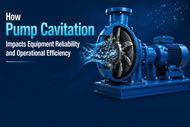
Imagine a treatment or process plant where a metering or dosing pump suddenly begins making a loud rattling noise during peak operating hours. Operators notice a drop in flow rate, increased vibration, and rising energy consumption. Within a few weeks, the pump requires an unexpected shutdown for repairs, resulting in maintenance costs and operational disruptions. Upon inspection, technicians discover severe pitting and erosion on the impeller, a classic sign of metering pump cavitation.
Situations like this are common in water and wastewater treatment facilities, where pumps operate continuously to move water, wastewater, chemicals, and sludge throughout the treatment process. What may initially seem like a minor noise or vibration issue can quickly escalate into equipment damage, reduced system performance, and costly downtime.
What Is Pump Cavitation and What Causes It?
Pump cavitation is a hydraulic phenomenon that occurs when the pressure of a fluid or liquid inside a pump drops below its vapor pressure, causing tiny vapor bubbles to form. As these bubbles move into higher-pressure areas within the pump, they rapidly collapse or implode, generating shock waves that can damage internal pump components.
In water and wastewater treatment systems, cavitation most commonly occurs when there is insufficient suction pressure, restricted flow to the pump, or improper pump operation. Although the vapor bubbles themselves are microscopic, their repeated formation and collapse can cause significant wear on impellers, mechanical seals, bearings, and pump casings over time.
Key Factors That Contribute to Pump Cavitation
Pump cavitation rarely occurs without warning. In most cases, it develops when operating conditions prevent an adequate and continuous flow of liquid from reaching the pump. Understanding the factors that contribute to cavitation can help plant engineers, maintenance teams, and operators identify potential issues early and implement corrective actions before equipment reliability is compromised.
- Insufficient Net Positive Suction Head (NPSH)
One of the most common causes of metering pump cavitation is insufficient Net Positive Suction Head (NPSH). NPSH represents the amount of pressure available at the pump suction above the liquid's vapor pressure.
- Restricted Suction Line Flow
Any restriction on the suction side of a pump can reduce the pressure available to the incoming fluid and increase the likelihood of cavitation.
Typical restrictions include:
- Clogged strainers or filters
- Partially closed valves
- Sediment buildup in piping
- Biofouling in water systems
- Blockages caused by debris or solids
- Improper Pump Sizing
Selecting the wrong pump for a specific application can create operating conditions that encourage cavitation. Proper pump selection based on flow rate, head requirements, and system characteristics is essential for long-term reliability and efficiency.
- Excessive Fluid Temperature
As liquid temperature increases, vapor pressure also rises. This means less pressure is required for the liquid to begin vaporizing. Elevated temperatures can significantly increase cavitation risk if suction pressure is not adequately maintained.
- Air Entrapment and Gas Ingress
Air entering a pumping system can create conditions similar to cavitation and often makes the problem worse.
- Excessive Flow Demand
Operating a pump beyond its design capacity can create high fluid velocities and significant pressure drops at the impeller.
By understanding above risk factors and implementing proactive monitoring and maintenance strategies, process industries can reduce unplanned downtime, improve energy efficiency, extend equipment life, and maintain consistent system performance.
How To Detect Pump Cavitation?
Pump cavitation often begins as a minor performance issue but can quickly escalate into severe equipment damage if left undetected. The challenge for many water and wastewater facilities is that cavitation may not be immediately visible. Instead, it typically reveals itself through changes in pump behavior, performance metrics, and equipment condition.
- Unusual noise
- Excessive vibration
- Reduced flow rates
- Fluctuating pressure readings
By recognizing the early warning signs and implementing routine monitoring practices, plant operators and maintenance teams can identify cavitation before it leads to impeller damage, seal failures, excessive energy consumption, or unplanned downtime.
How Pump Cavitation Affects Pump Performance and Accuracy?
Pump cavitation does more than create noise and vibration. It directly affects how well a pump performs its job. In process industries, pumps are expected to deliver consistent flow rates, maintain stable pressure, and support critical treatment processes. When cavitation occurs, these expectations become difficult to meet.
- Reduced flow performance
- Unstable pressure levels
- Decreased pump efficiency
- Increased equipment wear
- Frequent maintenance and downtime
What Are the Signs of Pump Cavitation Damage?
For industrial facilities, dosing pump cavitation is more than just an operational issue. It can lead to costly equipment damage, reduced efficiency, unexpected downtime, and increased maintenance expenses.
Understanding the early signs of pump cavitation damage can help maintenance teams identify problems before they result in major failures and costly repairs.
- Unusual noise from the pump - These sounds occur when vapor bubbles collapse against pump surfaces. If left unaddressed, the internal damage can worsen rapidly.
- Excessive pump vibration - Persistent pump vibration can lead to additional mechanical issues, including bearing wear, seal failures, and shaft misalignment.
- Reduced flow rate - Vapor bubbles occupy space within the pump, less liquid can be effectively moved through the system.
- Loss of pump pressure - When cavitation disrupts fluid movement, the pump may struggle to maintain required discharge pressure.
- Eroded pump components - Physical erosion is one of the most obvious signs of long-term cavitation damage.
- Increased energy consumption - A cavitating pump operates less efficiently and often requires more energy to achieve the same performance.
- Overheating of pump components - As pump efficiency decreases, more energy is converted into heat rather than useful work. Overheating often accompanies other cavitation-related symptoms.
- Frequent maintenance requirements - If a pump requires repeated repairs without a clear cause, cavitation may be the underlying issue.
Identifying and correcting cavitation early can significantly reduce maintenance expenses.
How To Effectively Prevent Pump Cavitation?
It occurs when the pressure within a pump drops below the liquid's vapor pressure, causing vapor bubbles to form and collapse violently inside the pump. Over time, cavitation can damage impellers, reduce efficiency, increase maintenance costs, and lead to unexpected equipment failures.
The good news is that most cavitation problems can be prevented through proper system design, routine maintenance, and operational best practices. Understanding how to prevent pump cavitation is essential for maximizing pump performance, extending equipment life, and minimizing downtime.
- Ensure Adequate Net Positive Suction Head (NPSH) - The available NPSH (NPSHa) must always exceed the pump's required NPSH (NPSHr). When suction pressure becomes too low, vapor bubbles begin to form.
- Select the Right Pump for the Application - Pump selection plays a critical role in cavitation prevention. A pump operating outside its intended performance range is more susceptible to cavitation.
- Reduce Suction Line Restrictions - Restrictions in the suction line create pressure losses that can contribute to cavitation.
- Control Fluid Temperature - As liquid temperature increases, vapor pressure also rises, making cavitation more likely. Maintaining recommended operating temperatures and monitoring process temperature fluctuations would helpful to overcome.
- Prevent Air Entrapment in the System - Air entering the suction side of a pump can create conditions that resemble or contribute to cavitation. A fully flooded suction line promotes stable pump operation.
- Maintain Proper Liquid Levels - Insufficient liquid supply can reduce suction pressure and increase the likelihood of cavitation. Consistent liquid availability helps maintain stable suction conditions.
Systemic Measures to Prevent Pump Cavitation
Preventing pump cavitation often requires looking beyond the pump itself and evaluating the entire fluid handling system. System-wide improvements can help maintain stable pressure conditions, optimize flow characteristics, and reduce the likelihood of vapor bubble formation.
- Optimize Suction System Design - A poorly designed suction system is one of the most common causes of cavitation. Ensure suction piping is properly sized and configured to minimize pressure losses before fluid enters the pump.
- Maintain Adequate Net Positive Suction Head (NPSH) - System designers should ensure the available NPSH consistently exceeds the pump's required NPSH under all operating conditions.
- Implement Proper Tank and Reservoir Design - Storage tanks and reservoirs directly influence pump inlet conditions. Proper reservoir design helps ensure a continuous and stable fluid supply to the pump.
- Eliminate Air Ingress Throughout the System - Air entering the system can create pressure instability and contribute to cavitation-like conditions.
- Conduct Regular Pump System Assessments - As industrial processes evolve, pumping systems may no longer operate under their original design conditions. Regular assessments help ensure the system continues to support efficient pump operation.
For industrial facilities that rely on consistent pumping performance, identifying and addressing cavitation early is essential. By taking a proactive approach, organizations can improve system reliability, enhance operational efficiency, reduce maintenance expenses, and ensure uninterrupted process performance across critical applications.