
How to Reduce System Downtime with Proper Mass Flow Controller Management?
Posted by David Cannon on 29th Apr 2026
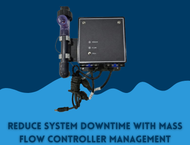
System downtime remains a critical concern in industrial water treatment facilities, manufacturing units, and process-driven operations where uninterrupted flow is essential for consistent output. Sudden interruptions often lead to production losses, equipment stress, and higher operational costs. Effective management of a mass flow controller helps reduce these risks by ensuring accurate and stable fluid regulation across systems.
A well-maintained mass flow rate controller supports consistent dosing, protects downstream equipment, and enhances overall process reliability. In applications such as chemical dosing or water treatment, flow stability directly impacts efficiency. This post covers overview of MFC and working principle, downtime causes, role of quality MFCs, applications, best practices, upgrade timing, and maintenance insights.
Overview of Mass Flow Controller (MFC) and Its Working Principle
A mass flow controller is an automated instrument used to measure and control the flow rate of liquids or gases in industrial processes. Unlike volume-based meters, it accounts for the actual mass of the fluid, delivering consistent accuracy regardless of changes in temperature or pressure conditions.
- How does a mass flow controller actually work? Here is a clear breakdown:
- Flow Sensing: MFC uses a thermal or Coriolis-based sensor to detect the actual mass flow rate of the fluid passing through the system, providing a precise measurement signal.
- Signal Processing: An internal electronic circuit processes the sensor signal, comparing the actual flow rate against the user-defined setpoint to identify any deviation in real time.
- Control Valve Adjustment: Based on the processed signal, the integrated control valve opens or closes automatically to correct the flow, maintaining the desired mass flow rate controller output continuously.
- Feedback Loop Operation: MFC operates on a closed-loop feedback mechanism, where constant adjustments ensure stable output, making it ideal for controlling liquids in precise dosing applications.
- Digital Communication: Modern digital mass flow controllers transmit real-time flow data to external control systems, enabling remote monitoring, logging, and integration with plant-wide SCADA or automation networks.
Common Causes of System Downtime in Flow-Controlled Systems
Industrial operations often experience recurring downtime, and many of those incidents trace back to flow control failures. Identifying the root causes early is critical to preventing costly interruptions in your treatment or production process.
- Control Valve Blockage or Failure: The internal control valve in a liquid mass flow controller can get blocked due to particulate ingress or corrosion. A stuck valve leads to flow stoppage or uncontrolled flow, both of which directly impact downstream treatment performance.
- Calibration Drift: Continuous use without periodic recalibration causes the MFC setpoint to drift from actual flow conditions. Even minor drift in a mass flow regulator can compound into significant process errors, affecting chemical dosing accuracy and system efficiency.
- Electrical and Communication Faults: Signal cable damage, power surges, or communication interface failures interrupt the feedback loop. When a digital mass flow controller loses connection to the control system, manual oversight becomes necessary, increasing downtime risk significantly.
- Pressure Fluctuations and Overpressure Events: Unstable supply pressure destabilizes the mass flow controller working principle, causing erratic valve movements. In systems requiring a high pressure mass flow controller, pressure spikes beyond rated limits can permanently damage internal components, forcing emergency replacements.
Role of Quality MFCs in Long-Term Reliability
Investing in high-quality mass flow controllers is one of the most practical decisions a plant manager or maintenance engineer can make. The right equipment does not just prevent failures; it actively contributes to operational consistency and process integrity over the long term.
- Precision and Repeatability: Quality MFCs maintain tight tolerances in flow measurement and control. Consistent repeatability means your mass flow rate controller delivers accurate results across every operating cycle, reducing variation in treatment output and chemical consumption.
- Corrosion-Resistant Construction: Industrial-grade MFCs use wetted components built to withstand aggressive chemicals and high-salinity water. This is particularly important for water mass flow controllers operating in borewell or cooling tower water treatment environments where corrosive conditions are common.
- Wide Pressure and Temperature Ratings: A reliable high pressure mass flow controller is built to perform under demanding pressure conditions without compromising measurement accuracy, which is critical in boiler feed systems, chemical processing, and reverse osmosis pretreatment applications.
- Built-In Diagnostics and Alarms: High-quality MFCs include self-diagnostic features that flag early signs of sensor degradation, valve wear, or communication errors. These alerts allow maintenance teams to act before a minor issue escalates into a full system shutdown.
Industrial Applications of Mass Flow Controllers
Mass flow controllers are not limited to one sector. Their ability to regulate fluid delivery with precision makes them valuable across a wide range of industries, each with specific challenges.
- Water Treatment Plants: In municipal and industrial water treatment, a water mass flow controller governs the precise addition of disinfectants, coagulants, and pH-adjusting chemicals. Accurate dosing prevents under-treatment or overdosing, both of which can compromise water quality and trigger system alarms.
- Chemical Processing: Chemical reactors require precise feed rates for reactants and catalysts. The mass flow controller principle of continuous closed-loop control keeps reaction conditions stable, preventing runaway reactions, product deviations, and dangerous pressure build-ups inside process vessels.
- Food and Beverage Industry: Consistent product quality in food processing relies on accurate ingredient flow. Mass flow controllers for liquids manage the controlled addition of flavoring agents, preservatives, and carbonation gases, ensuring every batch meets the required formulation and food safety standards.
- Power Generation (Boiler Systems): In boiler feed water treatment, a high pressure mass flow controller regulates chemical injection for scale and corrosion inhibition. Maintaining precise dosing prevents tube fouling, which reduces heat transfer efficiency, increases fuel consumption, and leads to unplanned boiler shutdowns.
Best Practices to Reduce Treatment System Downtime
Prevention is always more cost effective than repair. Adopting the right operational habits around your mass flow controller can dramatically cut unplanned downtime and extend the service life of your entire treatment system.
- Establish a Routine Inspection Schedule: Conduct visual and functional inspections of all MFCs at defined intervals. Check for external leaks, unusual noise, or display errors. Catching small issues early avoids the compounding damage that leads to emergency downtime in critical treatment applications.
- Implement Preventive Calibration Cycles: Schedule calibration of each mass flow rate controller based on manufacturer recommendations and process conditions. Regular calibration keeps readings accurate, ensuring your dosing system maintains correct chemical concentrations and treatment effectiveness throughout every operating cycle.
- Maintain Upstream Filtration: Install and maintain appropriate inline filters ahead of each liquid mass flow controller. Clean inlet conditions reduce particulate ingress, protect internal valve seats and sensor elements, and significantly extend the interval between corrective maintenance interventions in your system.
- Monitor Real-Time Flow Data: Use the data output from your digital mass flow controller to track flow trends over time. Sudden deviations from baseline flow patterns often indicate early-stage valve wear, sensor fouling, or pressure instability, all of which can be addressed before causing operational disruption.
When to Upgrade Your MFC System
Even well-maintained equipment has a service life. Knowing the right time to upgrade your mass flow controller system can save your facility from preventable failures and the escalating costs of maintaining aging instrumentation.
- Frequent Calibration Failures: If your mass flow regulator requires calibration more frequently than the standard interval, that is a sign of internal component wear. Repeated recalibration is a resource drain and often signals that replacement is more economical than continued corrective maintenance.
- Inability to Meet New Process Requirements: As production volumes or treatment demands change, your existing mass flow controller may no longer cover the required flow range or pressure rating. Upgrading to a high pressure mass flow controller or wider-range model ensures continued compliance and accurate control.
- Obsolete Communication Protocols: Older analog MFCs cannot integrate with modern digital control systems or data management platforms. Upgrading to a digital mass flow controller with current communication standards (such as HART or Modbus) enables remote monitoring, real-time diagnostics, and plant-wide system integration.
- Rising Maintenance and Spare Parts Costs: When the cumulative cost of spare parts, service labor, and downtime losses on an aging MFC begins to exceed the cost of a replacement unit, upgrading becomes a financially sound decision rather than an optional improvement.
Maintenance Tips for MFCs in Industrial Settings
Proper maintenance practice is what separates a system that runs for years without incident from one that causes repeated operational headaches. These tips apply directly to field conditions in water treatment and process industries.
- Clean Sensor Elements Periodically: Thermal mass flow sensors are sensitive to coating by mineral deposits or chemical films. Periodic sensor cleaning using manufacturer-approved methods restores measurement accuracy and prevents the gradual drift that leads to dosing errors in treatment applications.
- Inspect and Lubricate the Control Valve Annually: The internal control valve in your mass flow rate controller experiences mechanical wear with each open/close cycle. Annual inspection and appropriate lubrication of valve components preserves responsiveness, prevents sticking, and ensures the valve actuates correctly across the full flow range.
- Check and Tighten Electrical Connections: Loose wiring connections cause intermittent signal faults that are difficult to diagnose. During each scheduled maintenance visit, inspect all terminal connections on your digital mass flow controller for corrosion, looseness, or insulation damage and address any issues immediately.
- Verify Inlet Pressure Conditions Regularly: Changes in supply pressure affect flow controller’s accuracy. Confirm that upstream pressure regulators are functioning correctly and that the pressure delivered to each MFC remains within its specified operating range during all production conditions.
Reliable Flow Control Starts with the Right Partner
Proper mass flow controller management directly supports operational continuity, process consistency, and equipment life across industrial systems. Overlooking it often leads to higher downtime and maintenance costs. Cannon Water Technology provides flow control solutions, metering pumps, water treatment equipment, and chemicals tailored to facility needs. Visit our website today or contact our team for details.
FAQs
- How does contamination impact flow measurement systems?
Contamination leads to clogging, sensor drift, and valve malfunction. Proper filtration improves liquid mass flow controller performance and reduces downtime caused by impurities in industrial fluids.
- Can MFCs be used in water recycling plants?
Yes, water mass flow controller systems are widely used in recycling plants for precise chemical dosing, ensuring efficient treatment and consistent water quality output in industrial reuse systems.
- How does installation quality affect system performance?
Proper installation ensures accurate alignment and stable operation. Incorrect setup affects mass flow controller principle efficiency, leading to errors, instability, and frequent operational interruptions.
- How does a mass flow controller differ from a volumetric flow device?
A mass flow controller measures actual mass irrespective of temperature or pressure changes, ensuring higher accuracy compared to volumetric systems used in variable industrial conditions.
- Can mass flow controllers handle corrosive liquids safely?
Yes, specialized liquid mass flow controller models use compatible wetted materials, ensuring safe handling of mildly corrosive fluids in controlled industrial environments without affecting measurement accuracy or durability.
- Can MFC systems improve chemical dosing efficiency?
Yes, accurate dosing improves reaction control and reduces waste. Mass flow controller for liquids ensures precise chemical delivery, enhancing process efficiency and maintaining consistent output quality.