
SUB CATEGORIES OF Boiler Controllers
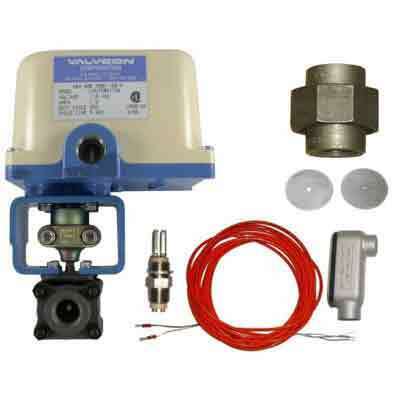
A boiler controller is like a control box or interface mounted on the boiler unit, which automates fuel combustion, regulates water levels, stabilizes steam pressure or temperature, and enforces critical safety lockouts to ensure efficient and hazard-free steam generation. They differ in terms of functionality, user interface, and form factor. Thus, various types of boiler controllers are being used to control the heat and conductivity of these boilers.
At Cannon Water Technology, Inc., we offer premium quality controllers for boiler from different brands such as Pulsafeeder, Walchem, LMI, and so on, which represent the latest in technology advancements.
What is Boiler Blowdown Controller?
A boiler blowdown controller is an automated control device used in steam boiler controller systems to monitor and regulate boiler water quality by controlling the blowdown process.
Key Functions and Features:
- TDS/Conductivity Monitoring
- Automatic Valve Actuation
- Temperature Compensation
- Digital Display & Interface
Working Principle of Boiler Controller System
Here's how boiler controller systems work.
A boiler controller system measures and controls various parameters such as temperature, pressure, dosing, levels and more in various industrial plants, such as chemical, water treatment, and so on.
These devices have a user-friendly menu along with a screen to view all the readings. Most of these models are specially designed and configured for boiler water control and come with a temperature-compensated conductivity probe, output relays with selectable timers, scalable 4-20mA output to report conductivity, hall-effect, and pulse water meter inputs and digital drum levels, or a flow switch.
Their sensors detect any changes in these process parameters, such as temperature or pressure, and send the signals back to the controller. In case of major fluctuations in any of these readings, the controller alerts the boiler system. They also shut down the system automatically to avoid any damage and injuries.
Key Benefits and Features of Controllers for Boiler
The following key benefits of steam boiler controllers make them an ideal choice for various industrial applications:
- Ensures Maximum Efficiency: The boiler controllers provided by us ensure precise conductivity control. The controllers can be easily controlled using any of these three cycles- Sample/Cycle, Continuous Sample, and Sample/Hold Control. Improved steam system efficiency helps reduce operating costs.
- Easily Programmable: The controllers feature an intuitive menu with a heavy-duty domed numeric keypad made from high-quality stainless steel. There is an illuminated graphical display, which enables easy programming.
- Application Flexibility: Our controllers offer multiple chemical feeds, which improve application flexibility. They help inhibit corrosion, scale build-up, and precipitation of solids.
- Indicators: The Model 150 boiler controller is equipped with LED indicators for alarm, power, and relay status. These indicators enable operators to detect failures early, which may otherwise cause serious damage to the equipment.
- NEMA 4 Enclosure: Controller for boilers equipped with a NEMA 4 enclosure, which offers protection against environmental elements, or electrical components from splashing.
Applications of Boiler Controller Systems
There is a wide range of applications of boiler controllers in different industries. Here are some of the application areas.
- Textiles
- Food Processing
- Sugar Plants
- Thermal Power Plants
- Chemical and pharmaceutical Plants
- Water and wastewater treatment
- Paper and Pulp
How to Choose the Right Boiler Controller System?
To select the most appropriate boiler controller, consider the following factors. Choices for boiler control functionality include data logging, rate indication or control, totalizing, and chart recording.
1. Specify whether the controller is suitable for the type of boiler you have. Understand whether the boiler is used for commercial buildings, industrial processes, or other applications.
2. Check the level of control required. For simple heating systems, an on/off controller might be sufficient. If your application requires precise temperature or steam pressure control, a modulating or PID controller that can gradually adjust the temperature may be more appropriate. If your system has multiple boilers connected, choose a controller that can effectively manage and balance multiple units at a time.
3. Look for controllers that have energy-saving features like variable load modulation, advanced scheduling, and temperature and pressure controls to improve efficiency and reduce energy consumption.
4. Choose a controller that can withstand harsh conditions like high humidity or dust, especially if used in industrial environments.
5. Look for controllers that are easy to install and compatible with your boiler system to minimize installation time and cost.
Frequently Asked Questions
- How do I know if my boiler is compatible with a specific controller?
Compatibility depends on the boiler type, fuel type, and system configuration. Check the manufacturer's documentation for specific controller compatibility.
- Can a boiler controller improve energy efficiency significantly?
Yes, modern controllers with advanced algorithms and easily programmable modulating features can optimize combustion and adjust heat output, reducing fuel consumption and improving efficiency.
- What safety features should I look for in a boiler controller?
Essential safety features include overheat protection, low water cut-off, pressure monitoring, and automatic shutoff in case of system failure or fluctuation of any parameters. Look for controllers that can send alerts in real-time to ensure safety.
- How can I determine if I need a new boiler controller?
Consider upgrading if your current controller is outdated, lacks energy-efficient features, cannot be remotely managed, or struggles to maintain consistent temperature control. Advanced features in new controllers could improve efficiency and reliability.