
Anaerobic Digestion Wastewater Treatment: How It Works and Its Benefits
Posted by David Cannon on 22nd Sep 2026
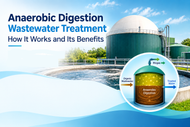
Managing sludge is a major consideration for wastewater treatment facilities, particularly when organic solids require stabilization before further handling or disposal. Untreated sludge can contain substantial biodegradable material, making effective solids management an important part of the overall treatment process.
Anaerobic digestion provides a controlled biological method for treating these solids without oxygen. In a sealed digester, microorganisms progressively convert biodegradable organic matter into biogas and stabilized digestate. Process conditions must be carefully controlled because changes in temperature, pH, retention time, or feed composition can affect microbial activity and digestion performance. This post discusses the fundamentals of anaerobic digestion, how the process works, key operating conditions, and its role in wastewater sludge management.
Anaerobic Digestion in Wastewater Treatment: What It Is and Why It Is Used?
Anaerobic digestion uses microorganisms to break down biodegradable organic matter without oxygen. In wastewater treatment, it is primarily used for sludge stabilization, producing biogas and a more stable residual stream. An anaerobic digester wastewater treatment system typically includes feeding, mixing, heating, gas collection, and process-control equipment.
Here are some reasons why it is preferred in the wastewater treatment systems:
- Sludge Stabilization: Anaerobic digestion reduces a portion of the biodegradable organic matter in sludge, producing a more stabilized material for subsequent handling and processing.
- Biogas Production: Microbial activity generates biogas containing methane. With suitable gas collection and utilization systems, this biogas can provide an opportunity for energy recovery.
- Reduced Organic Solids: The conversion of biodegradable organic matter can reduce the amount of volatile solids remaining in the sludge. The extent of reduction depends on feed characteristics and digester operating conditions.
- Support for Downstream Processing: Digested sludge can be integrated with downstream processes such as dewatering, drying, transportation, and disposal. The characteristics of the digested material can influence the requirements of these subsequent processes.
- Integrated Solids Management: Digestion can form one stage of a broader sludge-management system that includes feed preparation, biological treatment, gas handling, dewatering, and final solids management.
How Does Anaerobic Digestion Work in Wastewater Treatment?
The anaerobic digestion of wastewater solids occurs through four interconnected biological stages. Each stage converts compounds into forms that support the next microbial reaction, ultimately producing biogas and stabilized digestate.
- Hydrolysis: Hydrolysis breaks down complex organic compounds such as carbohydrates, proteins, and fats into smaller, soluble compounds. This makes the organic matter accessible to microorganisms involved in subsequent stages. The rate of hydrolysis can vary with sludge composition, particle size, organic content, and other characteristics of the incoming feed.
- Acidogenesis: During acidogenesis, microorganisms convert soluble compounds from hydrolysis into intermediate products, including volatile fatty acids, alcohols, hydrogen, and carbon dioxide. These compounds provide substrates for later reactions. Maintaining a balanced biological process is important because excessive accumulation of volatile fatty acids can indicate process instability and affect subsequent digestion stages.
- Acetogenesis: Acetogenesis converts intermediate compounds produced during acidogenesis into simpler compounds that methanogens can utilize. Key products include acetate, hydrogen, and carbon dioxide. As the stages of digestion are closely connected, changes affecting acetogenic microorganisms can influence downstream methane production and the overall stability of the digestion process.
- Methanogenesis: During methanogenesis, specialized microorganisms convert acetate or hydrogen and carbon dioxide into methane. This methane contributes to the biogas generated by the digester. After digestion, the remaining digestate contains stabilized solids and water and may require dewatering or additional treatment before transportation, disposal, or potential beneficial use.
What Factors Affect Anaerobic Digestion Performance?
Several operating conditions influence microbial activity and the overall stability of anaerobic digestion. Here are the key factors to maintain stable and efficient digester operation.
- Temperature: Maintain a stable operating temperature to support microbial activity and consistent digestion rates. Anaerobic digesters commonly operate under mesophilic or thermophilic conditions. Avoid significant temperature fluctuations because they can disrupt biological activity. Consider digester design, feed characteristics, ambient conditions, and the selected operating temperature range when determining heating requirements.
- pH and Alkalinity: Maintain suitable pH and sufficient alkalinity to support microbial activity and balance acid-producing and methane-producing reactions. Monitor volatile fatty acid accumulation because excessive concentrations can indicate process imbalance. Track pH, alkalinity, and related indicators to detect changing conditions before they significantly affect digester performance.
- Organic Loading: Control the amount of biodegradable material introduced into the digester relative to its treatment capacity. Avoid excessive loading, which can disrupt biological balance and increase intermediate compound accumulation. Select appropriate loading rates based on sludge characteristics, digester volume, retention time, and treatment objectives to maintain consistent biological conversion.
- Retention Time: Provide microorganisms with sufficient time to convert biodegradable organic matter and achieve the required level of stabilization. Manage hydraulic and solids retention conditions because they directly influence digestion performance. Determine appropriate retention times based on digester design, operating temperature, feed characteristics, and the required degree of solids stabilization.
- Mixing: Maintain effective mixing to distribute microorganisms and solids throughout the digester, reduce settling and excessive floating material, and promote contact between microorganisms and organic matter. Select mechanical mixing, pumped recirculation, gas mixing, or other circulation methods according to system design and operating requirements.
- Feed Characteristics: Evaluate incoming sludge characteristics because they directly influence digestion performance. Monitor solids concentration, organic content, particle characteristics, temperature, pH, and potentially inhibitory compounds during system design and operation. Adjust loading, mixing, heating, or other operating parameters when feed conditions change.
- Monitoring and Process Control: Monitor parameters such as temperature, pH, gas production, pressure, and feed conditions continuously or routinely to detect changes in digester performance. Use instrumentation and control systems to make timely operating adjustments and maintain stable performance under changing process conditions.
Benefits of Anaerobic Digestion for Wastewater Treatment
Anaerobic digestion can provide several benefits when properly designed and operated as part of an integrated wastewater treatment process.
- Sludge Stabilization: Anaerobic digestion reduces a portion of the biodegradable organic matter in sludge. This biological conversion can stabilize the material and make it more suitable for subsequent solids-management processes.
- Biogas Production: One of the distinctive features of anaerobic digestion is the production of biogas. The methane content of biogas creates an opportunity for energy recovery when the quantity and quality of gas and the facility's infrastructure support its use. Biogas may be used in appropriately designed equipment for applications such as heat generation or combined heat and power. Gas treatment and safety systems are important considerations when recovering energy from digester gas.
- Reduced Organic Solids: The biological conversion of organic matter can reduce the amount of biodegradable material remaining in the sludge. The extent of solids reduction depends on the feed composition, operating conditions, retention time, temperature, and digester configuration.
- Support Downstream Solids Management: Digestion can be integrated with downstream processes such as sludge dewatering. Dewatering after digestion can remove additional water and produce a more concentrated solids stream for transportation, disposal, or further processing. The combination of digestion and dewatering can therefore form an important part of a broader solids-management strategy.
- Potential Energy Recovery: Biogas produced through digestion contains energy that can potentially be recovered and used within the wastewater treatment facility. Energy recovery can help facilities make productive use of a byproduct of the biological treatment process. However, energy recovery should be evaluated based on actual gas production, methane concentration, energy demand, equipment requirements, and overall system economics.
- Reduced Sludge Management Burden: By stabilizing organic solids and reducing biodegradable material, anaerobic digestion can support more manageable downstream sludge handling. The actual effect on storage, transportation, dewatering, and disposal requirements depends on the facility and the characteristics of the digested material.
Find the Right Equipment for Anaerobic Wastewater Treatment
Anaerobic processes can help facilities manage biodegradable organic matter while supporting effective wastewater solids treatment. To achieve a well-integrated process, equipment selection should account for the characteristics of the wastewater stream and the requirements of downstream solids handling. Cannon Water Technology offers filtration and separation equipment for wastewater treatment applications and can help assess equipment needs based on your process conditions.