
Converting Wastewater Sludge into Valuable Biosolid Fertilizer: The Complete Process
Posted by David Cannon on 24th Jul 2026
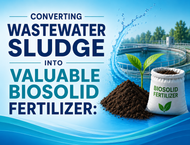
Wastewater treatment produces an unavoidable byproduct, sludge, a solid or semi-solid byproduct separated from wastewater during the treatment process. As municipalities, manufacturers, and industrial facilities handle increasing wastewater volumes, effective sludge management has become a critical operational and environmental priority.
Rather than viewing sludge as waste, modern treatment systems focus on resource recovery by converting properly treated sludge into valuable, nutrient-rich biosolids for beneficial reuse. This requires advanced treatment processes, thorough testing, regulatory compliance, and reliable equipment.
Understanding wastewater sludge, its sources, types, treatment methods, and the transition from sludge to EPA-compliant biosolids is essential for facilities seeking improved sustainability, operational efficiency, and environmental performance. This post explores the types and sources of wastewater sludge, the growing challenges of sludge management in wastewater treatment, the step-by-step sludge-to-biosolids conversion process, the benefits of biosolid fertilizer production, and the equipment that supports efficient biosolids processing.
Sources and Types of Wastewater Sludge
It originates from a variety of sources, including manufacturing plants, chemical facilities, food processing operations, agricultural activities, and livestock operations. Its composition varies depending on the specific processes, materials, and chemicals involved.
Different treatment stages create different types of sludge, and understanding these distinctions is key to selecting the right treatment approach.
- Primary Sludge: Generated during the primary treatment stage, primary sludge consists of heavier solids that settle out of wastewater before biological treatment begins. It typically contains a high concentration of organic matter and suspended solids.
- Secondary Sludge (Activated Sludge): Produced during biological treatment processes, secondary sludge forms when microorganisms consume organic pollutants and multiply. Also known as activated sludge wastewater treatment residue, it consists primarily of biological solids and microbial biomass.
- Tertiary Treatment Residuals: Advanced wastewater treatment processes designed to remove additional nutrients, pathogens, or contaminants generate tertiary treatment residuals. These residuals often require specialized treatment depending on their composition and intended disposal or reuse pathway.
Regardless of the source, proper filtration, separation, and sludge removal in wastewater treatment systems are essential to maintaining consistent plant performance and ensuring compliance with discharge standards.
Growing Challenges of Wastewater Sludge Management
Ever-increasing urbanization, industrialization, and the subsequent rising amount of wastewater create various challenges in sludge management in wastewater treatment.
- Rising Sludge Volumes Worldwide: Population growth, industrial activity, and stricter wastewater treatment requirements continue to increase sludge production. As treatment facilities process larger volumes of wastewater, greater quantities of solids must be collected, treated, transported, and managed, creating operational, logistical, and cost-related challenges.
- Environmental Risks of Improper Disposal: Traditional wastewater sludge disposal methods can create environmental concerns if not managed correctly. Poor handling may contribute to groundwater contamination, odor problems, greenhouse gas emissions, and increased landfill demand. Facilities must balance operational needs with environmental responsibility.
- Increasing Regulatory Requirements: Wastewater treatment facilities face increasingly stringent regulations governing sludge treatment, disposal, and beneficial reuse. Compliance requires ongoing monitoring, laboratory testing, documentation, and process control, adding complexity and cost to sludge management programs.
- Economic Challenges: Sludge transportation, storage, and disposal can represent a significant operating expense. Energy requirements for treatment processes also affect overall costs. By converting sludge into useful products, facilities can reduce disposal expenses while recovering valuable resources.
From Wastewater Sludge to Biosolids: Understanding the Transformation
Wastewater sludge contains organic matter, nitrogen, phosphorus, water, microorganisms, and trace contaminants. While its nutrient content makes it a potential resource for agricultural applications, raw sludge must first undergo treatment to reduce pathogens, stabilize organic material, and control contaminants.
Through the sludge-to-biosolids conversion process, wastewater treatment facilities can recover valuable nutrients and transform sludge into a beneficial soil amendment. As a result, modern wastewater treatment increasingly emphasizes resource recovery and beneficial reuse rather than disposal.
The primary goals of biosolids production include:
- Reducing pathogens
- Lowering sludge volume
- Stabilizing organic material
- Preserving beneficial nutrients
Step-by-Step Sewage Sludge Treatment Process
Following are the step-wise processes to convert sludge into useful biosolids.
- Sludge Collection: The first stage of sludge treatment involves separating solids from wastewater streams. Clarifiers and settling tanks collect suspended materials, creating concentrated sludge. Proper collection and handling help prevent operational issues throughout the treatment process.
- Thickening: Fresh sludge contains a high percentage of water. Thickening reduces water content and increases solids concentration before further processing. Common methods include:
- Gravity thickening
- Dissolved air flotation
- Mechanical thickening
- Sludge Stabilization: Stabilization reduces odors, destroys pathogens, and improves sludge quality. Common stabilization methods include:
- Aerobic digestion
- Anaerobic digestion
- Lime stabilization
Anaerobic digestion can also produce biogas, creating an additional energy recovery opportunity.
- Dewatering: Dewatering removes additional moisture and creates a more manageable material. Equipment used may include:
- Belt filter presses
- Centrifuges
- Screw presses
- Filter presses
Efficient dewatering is an important part of wastewater sludge treatment because it reduces transportation and disposal requirements.
- Drying and Further Processing: Some facilities use additional drying processes to improve storage, handling, and reuse options. Common methods include:
- Thermal drying
- Solar drying
- Palletization
Dried biosolids can be processed into bio sludge fertilizer products that are easier to transport and apply.
- Quality Testing and Certification: Before treated sludge becomes bio sludge fertilizer, it must pass quality evaluations and meet regulatory requirements. Testing typically includes:
- Nutrient analysis
- Pathogen testing
- Heavy metal monitoring
Benefits of Converting Sludge into Biosolid Fertilizer
Here are some benefits of using biosolid fertilizers.
- Environmental Benefits: Converting sludge into fertilizer reduces dependence on landfill disposal and supports nutrient recycling. It can also lower emissions associated with transporting and disposing of waste materials.
- Agricultural Benefits: Improve soil properties by adding organic matter, nutrients, and moisture retention capabilities.
- Economic Benefits: Recovering value from sludge can reduce disposal expenses and create alternatives to traditional fertilizers.
- Sustainability Benefits: Converting sludge into biosolids supports a circular economy by recovering valuable nutrients and organic matter that would otherwise be discarded. This approach promotes resource conservation, and reduces waste generation.
Equipment That Supports Sludge-to-Biosolids Production
Wastewater Sewage sludge treatment depends on more than biological and chemical processes. The following industrial equipment are essential for maintaining treatment efficiency, controlling operating costs, and meeting environmental regulations.
- Pumps and Sludge Transfer Systems: Sludge handling begins with the safe and efficient movement of material throughout the treatment process. Progressive cavity pumps, diaphragm pumps, and other specialized transfer equipment are commonly used to handle high-solids sludge streams.
- Filtration and Separation Equipment: Filtration technologies play a critical role in sludge wastewater treatment by removing suspended solids and improving overall process performance. Proper filtration protects downstream equipment, improves water quality, and supports more efficient sludge thickening and dewatering operations.
- Chemical Feed and Polymer Dosing Systems: Polymer dosing systems improve solid-liquid separation by promoting floc formation. Accurate chemical feed control can significantly improve dewatering performance, reduce sludge volume, and lower disposal costs.
- Dewatering Equipment: Dewatering is one of the most important stages of sludge treatment and disposal. Technologies such as belt filter presses, centrifuges, screw presses, and filter presses reduce moisture content and produce a more manageable sludge cake.
- Monitoring and Process Control Systems: Modern treatment facilities rely on instrumentation and automated control systems to maintain stable operation. Flow meters, level sensors, solids analyzers, and process monitoring equipment provide operators with real-time data that supports process optimization and regulatory compliance.
For facilities seeking to convert wastewater sludge into valuable resources, equipment performance is a critical component of long-term operational success.
Source Equipment That Improves Sludge-to-Biosolids Production
Successful sludge-to-biosolids production depends on reliable equipment that can maintain consistent performance throughout continuous treatment operations. Cannon Water Technology provides pumps, chemical feed systems, filtration equipment, and monitoring instrumentation engineered for demanding industrial wastewater applications.