
How Aeration and Supporting Treatment Technologies Improve Wastewater Odor Control?
Posted by David Cannon on 8th Jul 2026
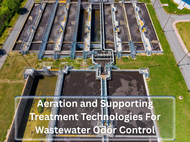
Persistent odors in wastewater often indicate oxygen-deficient conditions, excessive organic loading, or process inefficiencies that can compromise treatment performance if left unaddressed. One of the most effective ways to minimize odor formation is through aeration in water treatment.
A properly designed aeration wastewater treatment process supplies oxygen to wastewater, promoting aerobic biological activity while reducing the anaerobic conditions responsible for producing compounds such as hydrogen sulfide (H₂S) and ammonia.
However, long-term odor management depends on more than aeration alone. Filtration, chemical treatment, solids separation, and process monitoring all contribute to a stable and efficient wastewater treatment process. This post explores how wastewater aeration systems help control odors, the technologies commonly used, and the supporting treatment solutions that improve overall process performance.
Understanding the Root Causes of Wastewater Odors
Wastewater odors typically develop when organic matter is decomposed under oxygen-deficient conditions. As dissolved oxygen levels decrease, aerobic microorganisms become less active, allowing anaerobic bacteria to break down organic waste and generate foul-smelling gases.
The most common odor-causing compounds include:
- Hydrogen Sulfide (H₂S): Produced during the anaerobic decomposition of sulfur-containing compounds and recognized by its characteristic "rotten egg" odor.
- Ammonia (NH₃): Released during the breakdown of nitrogen-rich organic matter, producing a sharp, pungent smell.
- Volatile Organic Compounds (VOCs): Emitted from industrial wastewater and certain biological decomposition processes, contributing to a range of unpleasant odors.
Several operational conditions can accelerate odor formation, including:
- Sludge accumulation
- Grease buildup
- High organic loading
- Inadequate solids removal
- Stagnant or poorly mixed wastewater
Why Odor Control Matters in Wastewater Treatment
Effective odor control is about more than improving air quality, it is an essential part of maintaining safe, reliable, and efficient wastewater treatment operations.
Some of the key reasons odor control is important include:
- Worker Safety: Gases such as hydrogen sulfide (H₂S) can pose serious health risks at elevated concentrations, making effective odor management essential for a safe working environment.
- Equipment Protection: Odor-causing gases, particularly hydrogen sulfide, can contribute to corrosion of pipelines, tanks, pumps, and other treatment infrastructure, increasing maintenance requirements and reducing equipment life.
- Regulatory Compliance: Many wastewater treatment facilities must manage odor emissions to comply with environmental regulations and site-specific permit requirements.
- Community Relations: Uncontrolled odors can generate public complaints, impact nearby communities, and affect the reputation of a wastewater treatment facility.
How Oxygen Levels Influence Odor Formation?
The availability of dissolved oxygen (DO) is one of the most important factors influencing odor generation in wastewater treatment. When adequate oxygen is present, aerobic microorganisms efficiently break down organic matter with minimal odor formation. As oxygen levels decline, anaerobic bacteria become dominant, producing compounds such as hydrogen sulfide (H₂S), ammonia, and methane.
Several operational factors can reduce dissolved oxygen levels, including:
- Poor wastewater circulation
- Excessive solids accumulation
- High biological oxygen demand (BOD)
- Inadequate wastewater aeration
Maintaining adequate dissolved oxygen using aerated wastewater treatment system helps suppress anaerobic activity, stabilize biological treatment, and significantly reduce the formation of odor-causing compounds. This is why effective aeration is a fundamental component of modern wastewater treatment systems.
Role of Aeration in Wastewater Treatment Processes
Aeration is the process of introducing air or oxygen into wastewater to increase dissolved oxygen (DO) levels and support aerobic biological treatment. Aeration in wastewater treatment is typically achieved using mechanical or diffused aeration systems, depending on the treatment process and plant design.
Aeration contributes to odor control in several ways:
- Suppresses Anaerobic Activity: Adequate oxygen inhibits the growth of anaerobic bacteria responsible for producing hydrogen sulfide (H₂S), ammonia, and other odor-causing compounds.
- Supports Biological Treatment: Aerobic microorganisms break down organic matter more efficiently, reducing the accumulation of materials that contribute to odor formation.
- Improves Wastewater Mixing: Continuous mixing keeps solids suspended, minimizes stagnant zones, and promotes uniform oxygen distribution throughout the treatment basin.
In most treatment facilities, these processes take place within an aeration tank, where oxygen transfer and biological treatment work together to improve water quality while minimizing odor-related issues.
Common Aeration Technologies Used in Wastewater Treatment
Selecting the right aeration system depends on factors such as wastewater characteristics, oxygen demand, tank configuration, and treatment objectives. Each of the following technologies offers distinct advantages for improving oxygen transfer, mixing, and odor control.
- Surface Aerators: Surface aerators increase dissolved oxygen by agitating the wastewater surface, promoting oxygen transfer from the atmosphere while providing effective mixing. Surface aerators for wastewater treatment are commonly used in oxidation ditches, aeration basins, and lagoons. In larger ponds and lagoons, floating aerators wastewater treatment systems provide an effective solution for improving oxygen transfer and wastewater mixing.
Key benefits:
- Good oxygen transfer and mixing
- Simple installation and maintenance
- Suitable for moderate oxygen demand
- Diffused Aeration Systems: It release fine air bubbles through submerged diffusers, providing high oxygen transfer efficiency and uniform oxygen distribution. They are widely used in municipal and industrial wastewater treatment plants.
Key benefits:
- Easy to install or relocate
- Ideal for retrofitting existing systems
- Provides effective surface circulation
- Mechanical Aerators: Mechanical aerators combine oxygen transfer with vigorous mixing, making them suitable for wastewater with high organic loading or variable process conditions.
Key benefits:
- Handles high oxygen demand
- Provides strong mixing
- Suitable for demanding industrial applications
Supporting Technologies That Enhance Aeration Performance
While aeration plays a central role in odor control, its effectiveness depends on the overall efficiency of the wastewater treatment process. Supporting technologies help reduce oxygen demand, improve process stability, and create conditions that allow aeration systems to perform more effectively. Some of the key supporting technologies include:
- Filtration Systems: Removing suspended solids before aeration reduces the organic load entering the treatment process, improving oxygen transfer efficiency and minimizing sludge buildup. Common filtration technologies include bag filters, cartridge filtration systems, and sand or multimedia filters, each designed to remove suspended solids based on wastewater characteristics and treatment requirements.
- Centrifugal Separators: Centrifugal separators use centrifugal force to remove sand, grit, sludge, and other heavy suspended solids before they enter the biological treatment stage.
- Wastewater Treatment Chemicals: While aeration is the primary method for preventing odor formation, wastewater treatment chemicals provide an additional layer of control for treating high organic loads, elevated sulfide concentrations, or variable wastewater characteristics. Common odor-control chemicals include:
- Oxidizers
- Sulfide Scavengers
- pH Adjusters
- Biocides
- Chemical Feed Systems: Chemical feed systems ensure the precise and consistent dosing of wastewater treatment chemicals, helping maintain stable treatment conditions and improve odor control. When used alongside aeration, they support biological treatment by controlling sulfides, balancing pH, and reducing process fluctuations that can interfere with oxygen transfer and microbial activity.
- Water Quality Monitoring: Continuous monitoring of key parameters such as dissolved oxygen (DO), pH, ORP, and sulfide levels enables operators to optimize aeration performance, identify process upsets early, and maintain effective odor control.
By integrating these supporting technologies with a well-designed aeration system, wastewater treatment facilities can improve treatment efficiency, reduce operational challenges, and achieve more reliable long-term odor management.
Industries Where Aeration and Odor Control Are Critical
Odor control is a key operational requirement across many industries where wastewater contains high organic loads, suspended solids, or process-specific contaminants. Effective aeration, combined with supporting treatment technologies, helps maintain stable biological treatment and improve overall process efficiency in the following sectors:
- Municipal Wastewater: Municipal treatment plants handle large volumes of domestic sewage with fluctuating organic loads, making effective aeration essential for controlling odors and maintaining consistent treatment performance.
- Food & Beverage Processing: Wastewater from food and beverage facilities contains high concentrations of biodegradable organic matter, resulting in high biological oxygen demand (BOD) and an increased risk of odor formation. This makes the use of aeration tank for wastewater treatment highly critical.
- Agriculture & Livestock: Animal waste lagoons and agricultural runoff can quickly become oxygen-deficient, making aeration an effective solution for reducing odors and supporting biological treatment.
- Industrial Manufacturing: Industrial wastewater often contains variable contaminant loads and process chemicals that require a combination of aeration, solids separation, and chemical treatment for effective odor management.
- Pulp & Paper: Pulp and paper wastewater typically has high biological oxygen demand (BOD) and suspended solids, making efficient aeration essential for odor control and stable treatment performance.
- Chemical & Petrochemical: Wastewater from chemical processing facilities may contain sulfides, hydrocarbons, and other odor-causing compounds that require integrated treatment strategies combining aeration, chemical dosing, and continuous process monitoring.
Build Smarter Wastewater Treatment Systems
Effective odor control begins with maintaining healthy biological treatment conditions, and aeration in water treatment plant operations remains one of the most reliable ways to achieve that. However, long-term success depends on integrating aeration with solids removal, precise chemical dosing, and continuous process monitoring to keep wastewater treatment systems operating efficiently.
Contact Cannon Water Technology today to discuss your wastewater treatment challenges and identify the right equipment and treatment solutions for reliable, long-term odor control.