
How Well Pump Monitoring Helps Prevent Unexpected Equipment Failures?
Posted by David Cannon on 24th Jun 2026
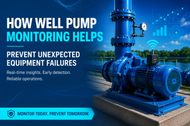
A well pump often operates unnoticed until it stops working. When a failure occurs, it can interrupt water supply, damage connected equipment, and lead to costly repairs. Many pump failures are preceded by warning signs, including changes in pressure, current draw, or flow rate, which may go undetected without a water well pump monitoring system in place.
A well water pump monitoring system tracks critical parameters such as pressure, flow rate, vibration, and motor health, providing valuable insights into equipment performance. By enabling early fault detection and real-time visibility, these systems help operators address potential issues before they result in costly failures. This post explains how water well pump monitoring helps prevent equipment failures and improve system reliability.
Why Well Pump Failures Are Costly?
Unexpected well pump failures can create operational disruptions, increase maintenance expenses, and impact the reliability of water supply systems. Here are some of the key challenges and subsequent costs facilities may face when a water well pump fails.
- Unplanned Downtime: When a well pump fails unexpectedly, water supply operations may be interrupted until the issue is identified and resolved. This can affect facility processes, agricultural operations, commercial activities, and other applications that depend on a continuous water supply. Even short periods of downtime can disrupt productivity and delay critical operations.
- Expensive Emergency Repairs: Emergency service calls, urgent replacement parts, and after-hours labor often result in higher repair costs compared to planned maintenance activities. Facilities may also incur additional expenses associated with temporary solutions or expedited equipment procurement.
- Equipment Damage: A malfunctioning pump can place additional stress on connected components such as motors, pressure tanks, control systems, and piping networks. In some cases, a single pump failure can trigger a chain of equipment issues, increasing both repair complexity and overall maintenance costs.
- Reduced Operational Efficiency: Pumps that continue to operate while experiencing mechanical or electrical issues often consume more energy and deliver lower performance. Reduced efficiency can lead to higher utility costs and place unnecessary strain on system components.
- Potential Water Supply Interruptions: Facilities that rely on groundwater systems may experience temporary water shortages when a pump fails, impacting productivity, service delivery, and day-to-day operations. In critical applications, interruptions can create additional operational challenges and safety concerns.
- Higher Maintenance Costs: Repeated breakdowns and delayed repairs can accelerate equipment wear, resulting in more frequent maintenance requirements and a shortened pump lifespan. Addressing issues only after failures occur often leads to higher costs than proactive monitoring and maintenance strategies.
Common Causes of Well Pump Failures
Recognizing the causes at the early stage is a critical part of well pump failure prevention, helping facilities avoid costly downtime and equipment damage. Common causes include:
- Dry Running Conditions: When a pump operates without sufficient water, it loses the cooling and lubrication needed for normal operation. This can cause excessive heat buildup and damage critical components such as seals, impellers, and motors.
- Electrical Faults: Voltage fluctuations, power surges, damaged wiring, and motor overload are common electrical issues that can disrupt pump performance and eventually lead to unexpected shutdowns or motor failure.
- Impeller Wear and Clogging: Sand, sediment, and other debris can accumulate inside the pump over time, causing impeller wear or flow restrictions. This reduces efficiency and forces the pump to work harder.
- Bearing and Seal Failure: Continuous operation and inadequate lubrication can wear down bearings and seals. As these components deteriorate, leaks, vibration, pressure loss, and reduced performance may occur.
- Poor Installation or Improper Sizing: Pumps that are incorrectly installed or improperly sized for the application often experience excessive wear, inefficient operation, and premature breakdown.
- Cavitation: Low-pressure conditions can create vapor bubbles inside the pump. When these bubbles collapse, they generate forces that damage internal components and reduce pumping efficiency.
Top Signs of a Failing Water Well Pump
Identifying early warning signs is an important part of well pump failure prevention plan and can help facilities address problems before a complete breakdown occurs.
- Fluctuating Water Pressure: Sudden pressure changes or inconsistent water delivery may indicate issues with the pump, pressure switch, or other system components. Persistent pressure fluctuations can affect overall system performance and signal developing mechanical or electrical problems.
- Reduced Water Flow: A noticeable decline in flow rate can indicate impeller wear, clogging, motor issues, or restrictions within the system.
- Frequent Pump Cycling: Pumps that turn on and off more often than normal may be experiencing pressure regulation issues, leaks, or equipment wear. Excessive cycling can place additional strain on pump components and accelerate wear.
- Unusual Noise or Vibration: Grinding or rattling noise, or excessive vibration can indicate bearing wear, misalignment, cavitation, or internal mechanical damage. These conditions often worsen over time if left unaddressed.
- Increased Energy Consumption: A pump that requires more power to maintain normal operation may be operating inefficiently due to mechanical wear or system restrictions.
- Motor Overheating: Elevated motor temperatures can result from electrical faults, excessive load conditions, poor ventilation, or insufficient water flow for cooling.
- Visible Leaks or Moisture: Water leakage around seals, fittings, or pump components may indicate deteriorating seals or developing mechanical issues that require attention.
Critical Well Pump Parameters Every Facility Should Monitor
Inspecting key performance indicators provides valuable insight into well inspection equipment condition and supports effective well pump performance monitoring.
- Pressure: Monitoring system pressure helps operators identify abnormalities such as leaks, blockages, pressure fluctuations, or declining pump performance. Consistent pressure readings provide a useful benchmark for evaluating overall system health.
- Flow Rate: Tracking flow rate provides visibility into pump output and helps detect issues such as clogging, impeller wear, or reduced water availability. Changes in flow can often indicate developing performance problems.
- Motor Current Draw: Changes in current consumption can indicate overload conditions, electrical faults, increased mechanical resistance, or declining motor efficiency. Monitoring current draw helps detect issues before they impact operations.
- Motor Temperature: Elevated temperatures may signal excessive load, inadequate cooling, electrical problems, or developing equipment failures. Temperature monitoring can provide early warning of conditions that may damage the motor.
- Vibration Levels: Increased vibration often serves as an early indicator of bearing wear, misalignment, cavitation, or other mechanical issues. Tracking vibration trends helps identify problems before they lead to equipment failure.
- Power Consumption: Monitoring energy usage helps facilities evaluate operating efficiency and identify pumps that may require maintenance or performance optimization.
How Monitoring Improves Water Well Pump Reliability?
Here are some key ways well pump monitoring supports reliable operation.
- Early Anomaly Detection: A well pump monitoring system continuously tracks key operating parameters, such as pressure, flow rate, vibration, and motor temperature, making monitoring well pump performance more effective and data driven. When these values deviate from normal operating ranges, the system identifies the issue and alerts operators. This allows potential issues to be investigated before they develop into serious equipment problems.
- Predictive Maintenance Alerts: Monitoring systems collect and analyze performance data over time to identify changes in equipment condition. Gradual increases in vibration, temperature, or power consumption can indicate wear or mechanical issues. By recognizing these trends early, the system helps operators determine when maintenance may be required.
- Overload Protection: Well pump monitors track motor load, current draw, and temperature to identify operating conditions that place excessive strain on the equipment. If the pump begins operating beyond acceptable limits, the system generates alerts that help operators assess and address the issue before it impacts pump performance.
- Trend Analysis and Performance Monitoring: In addition to providing real-time data, a water well pump monitor stores historical operating information for analysis. Reviewing performance trends allows operators to identify recurring issues, track changes in operating conditions, and gain a better understanding of overall pump behavior over time.
- Automated Data Collection: Unlike manual inspections, which occur at scheduled intervals, monitoring systems continuously collect and record performance data. This ensures that important operating information is captured consistently and provides operators with ongoing visibility into pump condition.
Benefits of Remote Water Well Pump Monitoring Systems
Here are some of the key benefits:
- 24/7 Remote Visibility: A remotely connected well pump monitoring system provides real-time access to pump performance data from virtually any location. Operators monitor key operating parameters, and stay informed about equipment condition without the need for frequent site visits.
- Faster Decision-making: When operating conditions change, remote monitoring systems provide immediate notifications and access to relevant performance data. This allows operators to assess situations quickly and make informed decisions based on current system conditions rather than waiting for manual inspections or reports.
- Improved System Efficiency: Continuous access to data helps operators identify opportunities to improve pump performance and optimize system operation. Better visibility into pressure, flow rates, and energy consumption supports more efficient use of equipment and resources.
- Enhanced Reliability and Reduced Downtime: Remote monitoring enables fast responses to potential issues. As a result, facilities can reduce unexpected downtime, maintain more consistent operations, and improve overall system reliability.
- Reduced Operational Costs: Remote access to pump data helps reduce the need for routine on-site inspections and emergency troubleshooting visits. By identifying issues earlier and streamlining maintenance activities, facilities can lower labor costs, reduce travel expenses, and minimize unplanned repair expenditures.
Best Practices for Well Pump Performance Monitoring
The following best practices help ensure accurate performance data, effective condition monitoring, and reliable well pump operation.
- Regular Sensor Calibration: Monitoring data is only as accurate as the sensors collecting it. Regular calibration helps ensure that measurements for pressure, flow rate, temperature, and vibration remain accurate over time.
- Setting Proper Thresholds: Monitoring systems should be configured with operating limits that reflect the specific requirements of the application. Establishing appropriate thresholds for parameters such as pressure, flow, temperature, and motor load helps ensure that alerts are triggered when abnormal conditions occur.
- Routine System Audits: Periodic audits help verify that monitoring equipment, communication systems, and data reporting functions are operating correctly. Reviewing system performance regularly also helps identify configuration issues, sensor drift, or gaps in data collection.
- Integrating Monitoring with Maintenance Programs: Monitoring data should be incorporated into existing maintenance strategies. Using performance information alongside preventive maintenance schedules helps facilities prioritize inspections, identify emerging issues, and make more informed well pump maintenance decisions.
- Training Operational Staff: Operators and maintenance personnel should understand how to interpret the data, respond to alerts, and recognize abnormal well pump operating conditions. Proper training helps ensure that monitoring information is used effectively to support day-to-day operations.
- Using Historical Data for Performance Evaluation: Historical operating data provides valuable insight into long-term well pump behavior. Reviewing trends over time can help facilities identify recurring issues, evaluate system performance, and make adjustments that support more efficient operation.
Looking for a smarter way to monitor water well pump performance? Cannon Water Technology offers reliable monitoring solutions that support well pump failure prevention, help facilities stay ahead of potential issues, and maintain consistent system performance.