
Design Considerations for Diaphragm Seals in Steam and Thermal Fluid Systems
Posted by David Cannon on 18th May 2026
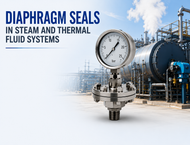
A diaphragm seal pressure transmitter is a critical component in industrial pressure measurement systems operating under high-temperature, corrosive, or viscous process conditions. In steam and thermal fluid systems, direct exposure of pressure instruments to process media can result in sensor damage, inaccurate readings, and reduced operational reliability. Pressure instrumentation diaphragm seals create a physical barrier between the process fluid and the sensing element, allowing accurate pressure transmission while protecting sensitive instrumentation from thermal and chemical stress.
Despite their importance, diaphragm seals for steam systems require careful design consideration. Incorrect fill fluid selection, capillary configuration, temperature compensation, or material compatibility can negatively affect pressure accuracy and response time. This post explains the challenges of high-temperature pressure measurement, how diaphragm seals function, key design considerations, installation best practices, and how to select the right diaphragm seal configuration for industrial applications.
Pressure Measurement Challenges in High-Temperature Systems
Following are the major pressure measurement challenges encountered in steam and thermal fluid operations:
- Extreme Process Temperatures Affect Instrument Stability: Steam systems and thermal oil loops often operate at temperatures that exceed the limits of standard pressure transmitters. Continuous exposure to high heat can damage sensing elements and cause long-term drift in measurement accuracy.
- Thermal Expansion Creates Measurement Variations: Temperature fluctuations within process lines can alter the density and expansion characteristics of process fluids and fill fluids. These changes may introduce pressure reading instability if the diaphragm seal pressure transmitter is not properly compensated.
- Corrosive and Aggressive Media Damage Sensors: High-temperature fluids frequently contain corrosive compounds, chemicals, or condensate that can deteriorate exposed sensing elements. Pressure instrumentation diaphragm seals isolate the instrument from direct contact with aggressive media.
- Viscous Fluids Restrict Pressure Transmission: Thermal fluids and process oils may become highly viscous during low-temperature startup conditions. Direct pressure ports can clog or respond slowly, reducing system responsiveness.
- Remote Instrument Mounting Increases Complexity: In many industrial diaphragm seal applications, instruments must be mounted away from hot process lines for safety and accessibility. Long capillary systems require careful design to maintain pressure transmission accuracy.
Issues with Direct Pressure Measurement
The following are common operational problems associated with direct pressure measurement in steam and thermal fluid systems:
- Sensor Overheating and Premature Failure: Direct contact with high-temperature media exposes transmitters to thermal stress beyond their operating limits. This often results in damaged sensing components and shortened instrument lifespan.
- Pressure Port Blockage from Process Deposits: Steam condensate, sludge, and thermal fluid residues can accumulate inside impulse lines and pressure ports. These blockages restrict pressure transmission and cause unstable readings.
- Frequent Calibration Drift: Repeated heating and cooling cycles affect internal sensor components, causing measurement drift over time. Systems without diaphragm seals for steam systems often require frequent recalibration.
- Condensation Effects in Steam Systems: Steam applications create condensate that can accumulate inside pressure lines. Uneven condensate levels produce inaccurate differential pressure measurements and unstable process control.
- Safety Risks During Maintenance: Instruments directly connected to high-temperature process lines expose technicians to burn hazards during inspection, calibration, and replacement procedures.
What Are Diaphragm Seals and How Do They Work?
A diaphragm seal is a protective assembly installed between the process connection and the pressure measuring instrument. It uses a flexible diaphragm and a sealed fill fluid to transfer process pressure to the sensing element without direct exposure. Following is how it function in industrial systems:
- Isolation of Process Media from Instrumentation: The diaphragm acts as a physical barrier that prevents hot, corrosive, or contaminated process fluids from entering the pressure transmitter.
- Pressure Transfer Through Fill Fluid: Process pressure deflects the diaphragm, transmitting force through an incompressible fill fluid inside the seal assembly and capillary system.
- Protection Against Thermal Damage: By separating the sensing element from direct heat exposure, the diaphragm seal pressure transmitter maintains stable operation under elevated temperatures.
- Remote Mounting Capability: Capillary tubes allow instruments to be installed away from hot process lines, improving accessibility and reducing environmental stress on instrumentation.
- Compatibility with Multiple Process Conditions: Pressure instrumentation diaphragm seals are available in various materials, diaphragm types, and configurations to support different industrial operating environments.
Why Diaphragm Seals Are Essential in Steam and Thermal Fluid Applications
Here are why diaphragm seals are essential in high-temperature industrial systems:
- Protecting Pressure Instruments from Heat Exposure: Steam and thermal oil systems routinely exceed safe operating temperatures for standard pressure transmitters. Diaphragm seals for steam systems create thermal isolation that preserves sensor integrity.
- Improving Measurement Reliability: Stable pressure transfer through sealed fill fluids helps maintain accurate readings even in fluctuating temperature conditions.
- Preventing Process Contamination: In sensitive applications, diaphragm seals prevent process media from contaminating the pressure instrument and protect the process from exposure to instrument materials.
- Reducing Maintenance Requirements: By isolating corrosive and dirty process fluids, industrial diaphragm seal applications experience lower maintenance frequency and reduced instrument replacement costs.
- Supporting Safe System Operation: Accurate pressure monitoring is critical for preventing overpressure conditions, thermal instability, and equipment damage in steam and thermal fluid systems.
Key Design Considerations for Diaphragm Seals
The following factors play a critical role in diaphragm seal design in thermal fluid system applications:
- Selection of Diaphragm Material: Material compatibility with process media is essential for long-term reliability. Stainless steel, Hastelloy, Monel, and other corrosion-resistant alloys are selected based on chemical exposure and temperature conditions.
- Fill Fluid Stability at Operating Temperature: Fill fluids must maintain stable viscosity and low thermal expansion across the operating temperature range. Incorrect fluid selection can lead to slow response times and pressure inaccuracies.
- Capillary Length and Routing: Long capillary systems increase temperature sensitivity and response delay. Proper routing minimizes exposure to ambient temperature changes and mechanical vibration.
- Diaphragm Size and Flexibility: Larger diaphragms improve sensitivity in low-pressure applications but may reduce response speed. Diaphragm thickness and flexibility must match the process pressure range.
- Temperature Compensation Requirements: High-temperature applications require compensation for fill fluid expansion and environmental temperature variation to maintain stable measurements.
Common Diaphragm Seal Design Challenges & How to Overcome Them
Following are the most common diaphragm seal design challenges and their solutions:
- Temperature-Induced Measurement Errors: Fill fluids expand when exposed to heat, causing pressure shifts. Using low-expansion fill fluids and minimizing capillary length helps reduce thermal effects.
- Slow Response Time in Long Capillary Systems: Extended capillary tubing delays pressure transmission. Proper capillary sizing and optimized transmitter placement improve system responsiveness.
- Diaphragm Fatigue Under Cyclic Pressure Conditions: Repeated pressure fluctuations can weaken diaphragm materials over time. Selecting durable alloys and designing for expected cycle loads increases operational lifespan.
- Mechanical Damage from Vibration: Industrial piping systems often generate continuous vibration that affects pressure stability. Flexible mounting supports and vibration-resistant transmitter assemblies improve reliability.
- Improper Material Compatibility: Exposure to aggressive chemicals can corrode diaphragm surfaces. Material selection must consider chemical composition, temperature, and pressure conditions simultaneously.
How to Integrate Diaphragm Seals with Pressure Measurement Instruments
Proper integration between diaphragm seals and measurement instruments is essential for accurate system performance.
- Compatibility with Pressure Transmitters: The diaphragm seal assembly must match the operating range and connection specifications of the selected pressure transmitter.
- Integration with Differential Pressure Systems: In steam applications, balanced capillary lengths are necessary to maintain accurate differential pressure readings.
- Use with Remote Seal Assemblies: Remote-mounted diaphragm seal pressure transmitter systems improve safety and allow easier instrument access during maintenance.
- Calibration After Installation: Pressure instrumentation diaphragm seals should always be calibrated as a complete assembly after installation to account for fill fluid and capillary effects.
- Signal Stability in High-Temperature Conditions: Proper thermal isolation and capillary routing help maintain stable signal transmission under fluctuating operating temperatures.
Best Practices for Diaphragm Seals Installation
Following are the recommended installation practices for diaphragm seals in steam and thermal fluid systems:
- Install Instruments Away from Extreme Heat Sources: Remote mounting reduces thermal stress on pressure transmitters and improves long-term reliability.
- Avoid Sharp Capillary Bends: Tight bends can restrict fill fluid movement and damage capillary tubing. Smooth routing helps maintain consistent pressure transmission.
- Protect Capillaries from Mechanical Damage: It should be secured and isolated from vibration, abrasion, and impact exposure.
- Maintain Proper Orientation in Steam Systems: Correct installation angle helps manage condensate formation and prevents pressure imbalance in steam service.
- Insulate Process Connections Carefully: Excessive insulation around seal assemblies may increase heat retention and affect fill fluid stability.
- Perform Routine Inspection and Verification: Regular inspection of diaphragm surfaces, capillary integrity, and calibration accuracy helps identify early signs of performance degradation.
How to Select Right Diaphragm Seal?
The following factors should be evaluated when selecting diaphragm seals for steam systems and thermal fluid applications:
- Process Temperature Range: Operating temperature determines diaphragm material selection, fill fluid compatibility, and capillary requirements.
- Chemical Compatibility of Process Media: Corrosive fluids require specialized diaphragm materials and protective coatings to maintain long-term reliability.
- Pressure Range and Process Dynamics: Systems with rapid pressure fluctuations require diaphragm configurations designed for fast response and mechanical durability.
- Mounting and Installation Constraints: Available installation space, vibration exposure, and accessibility influence seal configuration and capillary routing.
- Required Measurement Accuracy: High-precision industrial diaphragm seal applications require optimized capillary lengths, stable fill fluids, and advanced temperature compensation.
Reliable pressure monitoring in steam and thermal fluid systems depends heavily on proper diaphragm seal design and integration. A properly engineered diaphragm seal pressure transmitter improves measurement accuracy, protects instrumentation, reduces maintenance requirements, and supports long-term operational reliability.
Cannon Water Technology provides engineered solutions from pressure instrumentation diaphragm seals to integrated thermal fluid monitoring systems, that help industries improve system reliability, protect critical instrumentation, and maintain accurate pressure measurement under demanding operating conditions.