
Plant Based Water Purification vs Chemical Water Treatment: Choosing the Right Approach for Modern Water Challenges
Posted by David Cannon on 15th May 2026
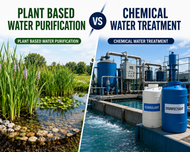
Water treatment is no longer limited to removing visible impurities. Today, facilities must address a growing range of contaminants, including industrial chemicals, heavy metals, pathogens, nutrients, and organic waste, while also meeting increasingly strict environmental regulations. This shift has driven greater interest in both plant based water purification and chemical water treatment methods across industrial, commercial, and municipal sectors. Both approaches offer clear advantages, but their effectiveness often depends on factors such as contamination levels, operational requirements, available space, and sustainability goals. In this post, you will learn how plant-based and chemical water treatment systems work, their key advantages, the differences between them, and how to decide which option best fits a specific application.
What is Plant-Based Water Purification?
Plant based water purification uses natural systems and vegetation to clean contaminated water. These systems often include aquatic plants, constructed wetlands, algae, and root-zone filtration methods that absorb, break down, or trap pollutants.
In many cases, a plant based water filtration system is designed to imitate the function of natural wetlands. Water flows through layers of soil, gravel, and plant roots, where microorganisms and vegetation work together to reduce contaminants. Common plants used in these systems include reeds, cattails, duckweed, and water hyacinths.
A plant based water filter can help remove suspended solids, nutrients such as nitrogen and phosphorus, certain heavy metals, and organic matter. The plant roots also create an environment that supports beneficial microbes, which naturally break down pollutants over time. Interest in plant based wastewater treatment has grown steadily because of increasing environmental concerns and the push for more sustainable infrastructure.
Following are the advantages of plant-based water treatment
- Environmentally Friendly: One of the main benefits of plant based water treatment is its low environmental impact. Since the process depends largely on natural biological activity, it reduces the need for synthetic chemicals and energy-intensive operations. These systems can also support biodiversity and create healthier ecosystems around treatment areas.
- Lower Energy Consumption: Many plant based water filtration systems require minimal mechanical equipment. Some rely heavily on gravity-fed movement and natural filtration processes, which can reduce long-term energy use.
- Reduced Chemical Usage: As natural biological processes drive treatment, facilities can reduce dependence on chemical additives. This may help lower chemical handling risks and minimize the formation of treatment by-products.
- Long-Term Sustainability: Properly maintained systems can remain operational for years with relatively low maintenance demands. This makes them useful in rural areas and locations where advanced infrastructure may not be practical.
- Better Visual Integration: Unlike heavily industrial treatment facilities, vegetated systems often blend naturally into outdoor spaces. Parks, resorts, campuses, and eco-focused developments may choose a plant based water filtration system as it improves both functionality and landscape appearance.
Limitations of Plant-Based Systems
Plant-based systems offer several environmental benefits; however, they also come with operational challenges that may limit their use in certain applications.
Some common limitations include:
- Slower treatment speed: Unlike chemical systems that deliver rapid results, plant-based treatment depends on natural biological processes, which typically take more time to remove contaminants effectively.
- Higher land requirements: A plant based water filtration system often needs larger physical space, especially for high-volume wastewater treatment applications.
- Weather-dependent performance: Treatment efficiency can fluctuate because of climate conditions, seasonal temperature changes, rainfall patterns, and variations in plant health.
- Limited effectiveness for heavily polluted water: For wastewater containing high contamination levels or complex industrial pollutants, plant systems may not consistently meet discharge standards without additional chemical or mechanical treatment support.
What is Chemical Water Treatment?
Chemical water treatment uses controlled chemical reactions to remove contaminants, neutralize harmful substances, and disinfect water. It remains one of the most widely used treatment methods in industrial and municipal facilities.
Common treatment chemicals include:
- Chlorine
- Ozone
- Coagulants
- Flocculants
- pH control agents
- Corrosion inhibitors
- Oxidizing chemicals
These chemicals help remove suspended solids, pathogens, dissolved metals, organic contaminants, and scaling compounds.
For example, coagulants allow small particles to combine into larger masses that are easier to separate from water. Chlorine and ozone help disinfect water by eliminating bacteria and viruses. Other specialty chemicals can control corrosion, reduce odors, or improve filtration efficiency.
Following are some of the notable advantages of chemical water treatment.
- Fast Treatment Performance: Chemical treatment systems can process water quickly, making them highly effective for facilities that manage large water volumes daily.
- Consistent Results: One major advantage of chemical treatment is operational control. Treatment levels can be adjusted precisely based on contamination levels and water quality targets. This consistency is especially important for industries with strict compliance requirements.
- Broad Contaminant Removal: Chemical treatment can effectively target contaminants that are difficult for biological systems to manage efficiently, including pathogens, dissolved minerals, toxic metals, and industrial compounds.
- Space Efficiency: Unlike many plant based water purification systems, chemical treatment equipment can operate within relatively compact spaces. This is especially useful for urban facilities or industrial plants with limited land availability.
- Industrial Scalability: Chemical treatment systems can be scaled easily for high-capacity operations. Automated dosing systems and monitoring controls also support continuous treatment performance.
Limitations of Chemical Water Treatment
Despite its effectiveness, chemical treatment has certain drawbacks. Some common limitations include:
- Ongoing chemical costs: Facilities must continuously purchase and manage treatment chemicals, which can increase long-term operating expenses.
- Chemical handling and safety risks: Improper storage, handling, or dosing of chemicals may create workplace safety concerns and affect treatment performance.
- Formation of treatment by-products: Certain chemical reactions can produce unwanted by-products that may require additional monitoring or treatment.
- Sludge generation: Some chemical treatment processes create sludge that requires proper disposal and handling, adding to maintenance and operational requirements.
- Environmental concerns: Growing focus on sustainability has encouraged many industries to reduce chemical consumption and explore supplemental treatment methods with lower environmental impact.
When to Use Plant-Based Water Purification
Plant-based systems are most effective when sustainability, low operational energy use, and natural treatment processes are primary goals.
These systems are commonly suitable for:
- Agricultural wastewater management
- Rural community treatment projects
- Stormwater runoff control
- Greywater recycling systems
- Eco-friendly developments
- Areas with sufficient available land
A plant based water filter may also work well in decentralized treatment settings where advanced infrastructure is limited. Facilities focused on green building initiatives or environmental branding may also benefit from using plant based water filtration systems as part of broader sustainability programs.
However, treatment requirements should always guide system selection. For instance, high-strength industrial wastewater may require additional chemical or mechanical treatment support.
When to Use Chemical Water Treatment
Chemical treatment is often the better option when facilities require fast, reliable, and high-capacity treatment performance. Plants dealing with pathogens, dissolved contaminants, or fluctuating water conditions often require the precision and speed that chemical treatment systems provide.
Chemical treatment is especially useful for:
- Industrial wastewater treatment
- Municipal drinking water systems
- Cooling tower treatment
- Boiler water treatment
- Pharmaceutical manufacturing
- Food processing operations
- High-volume treatment facilities
For many industrial operations, chemical treatment remains the most practical and effective approach for maintaining water quality standards.
Find the Right Treatment Balance
The comparison between plant based water purification and chemical water treatment highlights an important reality: there is no single solution for every water treatment challenge. Each method offers distinct advantages depending on treatment goals, contamination levels, operational capacity, and environmental priorities. In many cases, combining both approaches can create a more balanced and efficient treatment strategy that supports both operational performance and environmental responsibility.
For facilities seeking dependable water treatment solutions, Cannon Water Technology offers a wide range of chemical treatment products, filtration systems, pumps, and industrial water treatment equipment. Their expertise can help businesses identify practical treatment solutions that align with operational demands, regulatory standards, and long-term water management goals.