
SUB CATEGORIES OF Chemical Test Kits
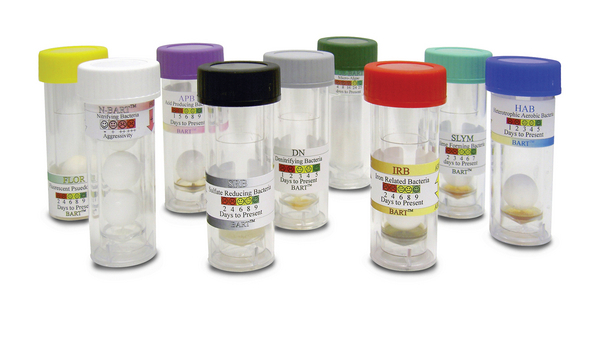
Sourced from industry-leading brands like Hanna Instruments and Sentinel, these test kits are proven to assure reliable results. These chemical testing kits are formulated after years of research and are proven to work in all commercial and industrial environments.
How Do Different Chemical Test Kits Work?
Chemical test kits are designed to determine various chemical substances in water samples. Their exact working would differ based on the specific type of testing; however, the below-given steps would help you understand the general working of these kits.
- Preparation of Reagents: This is the first step of using chemical testing kits. Most test kits, like water hardness kits, chloride test kits, alkalinity test kits and so on are provided with pre-packaged reagents, which are the chemicals designed to react with the substance or component being tested in a water sample. These reagents can be prepared by diluting, mixing, and activating them as per the manufacturer’s recommendations.
- Collection of Sample: After the reagent preparation, you can collect the sample in a recommended container. For instance, if you plan to use the chemical identification kit to test the quality of water in your home, then try to collect it in a clean container, which is dry and free from any type of contaminant.
- Mixing the Reagent and Sample: The sample collected in a container must be mixed with the prepared reagent for desired results. The results can be observed in the form of color change, precipitate formation, and so on. The results would depend on the type of chemical tested and the specific test conducted.
- Detection of Reaction: Most chemical testing kits feature a measurement device or a visual indicator that would help detect the reaction or the result of the mixing in the above-discussed step. Generally, the observed change is compared with the standard reference the kit offers.
Types of Chemical Test Kits & Equipment
Cannon Water Technology, Inc offers chemical test kits for testing different types of contaminants in the water. These test kits are suitable for use as swimming pool or for domestic and industrial water quality testing.
- Chloride Test Kits: These chloride test kits are excellent for monitoring the water quality in the cooling tower. This kit includes sulfuric acid, 1.0n, mercuric nitrate titrating solution, chloride reagent, and a sample vial. One drop of the chloride test reagent consists of 2 to 10 ppm as Cl.
- Cleaner Test Kits: Once the cleaner is flushed in the pool water or industrial water, this Cleaner Test Kit can be used to check if a cleaner is still in the water. While checking the residues of cleaner, the Phenolphthalein solution reacts to the high pH of the water and the sample turns pink in color. This confirms the presence of cleaner in the water.
- Free Chlorine Test Kits: These free chlorine test kits are easy-to-use titration kits. These kits are used for testing the presence of chlorine residues in water. This easy-to-use kit can be used in various water quality testing processes. It is used in drinking water quality tests, pool water tests, water sanitization and disinfection, iron control, well water test, etc. The single kit is sufficient for nearly 60 to 75 test cycles.
- Organophosphonate Test Kits: Organophosphate is a poisonous contaminant found in recycled pool water and industrial wastewater. We offers these organophosphate test kits that can be used as swimming pool test kits. These kits are also used for OP testing during a cooling water treatment process. The kit only indicates Organophosphonate, no phosphates. The kit contains Organophosphonate titrant, Organophosphonate tablets, and sample vials.
- P/T Alkalinity Test Kits: Alkalinity of water causes a pH imbalance. To test the alkalinity, we provide P/T alkalinity test kits. These kits come with refills of alkalinity titrant low, alkalinity titrant high, phenolphthalein indicator, and total alkalinity indicator. This kit lasts for up to 60 to 75 tests.
- Sentinel Rapid Dose Test Kits: These test kits are designed to check the concentration of Sentinel X100 corrosion inhibitor chemicals in the water. The corrosion inhibitor chemical offers protection against corrosion and limescale. The kit includes 2 x Molybdate No. 1 reagent, 2 x Molybdate No. 2 reagents, a test tube with a cap and color-coded comparator chart and instruction kit.
- Sodium Nitrite Test Kits: Developed by Cannon Water Technology, these kits are used to monitor water quality in a closed loop treatment program. The kit is color-coded with matching pictures and instructions.
- Sulfite Test Kits: These sulfite test kits are designed for testing the presence of sulfites during boiler water treatment programs. This kit includes sulfite titrant-high, sulfite nitrite-low, starch acid indicator powder, phenolphthalein indicator solution, sample vial.
All the above-mentioned chemical test kits are tested for performance. It can be used instead of digital pool test kits.
Why Should You Use Chemical Test Kits for Water Quality Testing
Water quality testing using chemical test kits is important for various reasons. The following pointers will help you understand it better.
- Clean water is recommended for recreational activities like swimming, or water sports. Thus, testing the quality of water in swimming pool helps ensure if the water is safe for recreational activities. These kits can detect the presence of microbes, heavy metals, as well as harmful chemicals in pool water.
- Aquatic ecosystems thrive in clean water. Thus, monitoring the water quality is important to ensure the protection of eco-systems. Understanding pH levels, chlorine levels, dissolved oxygen and other parameters allows identifying the factors that may otherwise harm the ecosystem.
- Although regulatory compliances are more commonly set for drinking water or wastewater discharge or environmental activities in many countries, they are sometimes observed for testing water quality for recreational activities. The water testing kits would allow commercial pool owners to ensure the safety and suitability of pools for public use.
- New contaminants and chemicals are entering the environment through farming or as a result of industrial activities. These contaminants get mixed with water in swimming pool or regular water sources during rains. Sometimes, these contaminants go undetected. This is where chemical test kits can help. They provide information that helps concerned authorities or users develop strategies to help negate the impact of chemicals or contaminants on human health and environment.
- Chemical test kits are used for scientific research and education in many scenarios. Sometimes, researchers refer to the information offered by these kits to study the patterns, trends, and changes in the water quality. This helps them understand the causes of contamination as well as environmental dynamics.
Overall, water quality testing using chemical test kits is the most affordable and reliable way to ensure access to safe and clean water for recreational activities, drinking, and supporting human activities relying on reliable water sources.
FAQ:
-
What is a chemical testing kit for water treatment chemicals?
It is a set of tools and reagents designed to measure and analyze specific parameters or chemical substances in water used for treatment processes.
-
Why are chemical testing kits used in water treatment?
Chemical testing kits are used to monitor the concentration of various chemicals in water treatment processes. They help ensure that the desired levels of treatment chemicals, such as disinfectants, pH adjusters, coagulants, or corrosion inhibitors, are present within the desired ranges.
-
What parameters can be tested using chemical testing kits for water treatment chemicals?
It can measure a range of parameters, including pH, chlorine or other disinfectant levels, alkalinity, hardness, turbidity, iron or heavy metal concentrations, and various specific ions or chemicals relevant to the treatment process.
-
Can chemical testing kits provide accurate results?
Chemical testing kits can provide reasonably accurate results when used correctly and within their specified limits. However, it's important to note that they may not provide the same level of accuracy as laboratory-grade equipment. Regular calibration, proper technique, and adherence to instructions are vital for obtaining reliable results.
-
Are there different types of chemical testing kits available?
Yes, there are various types of kits available, each designed for specific parameters or substances. Common types include pH testing kits, chlorine testing kits, alkalinity testing kits, hardness testing kits, and more. The choice depends on the specific needs of the water treatment process.
-
How should chemical testing kits be stored?
It is important to store chemical testing kits according to the manufacturer's instructions. Typically, they should be stored in a cool, dry place away from direct sunlight and extreme temperatures to maintain the stability and effectiveness of the reagents.
-
How do chemical test kits work?
Chemical test kits typically include reagents or test strips that react with the target chemical. The user follows instructions provided with the kit to perform the test, and the resulting color change or measurement indicates the presence or concentration of the chemical.
-
What are the typical applications of chemical test kits?
They are commonly used in environmental monitoring, water quality testing, swimming pool maintenance, aquarium care, food and beverage industry, industrial processes, and educational laboratories.
-
Are chemical test kits easy to use?
Yes, chemical test kits are designed to be user-friendly, with clear instructions provided. Most kits require minimal technical expertise and can be used by individuals without a chemistry background.
-
What is the limit for the chlorine test kit?
The chlorine test kit measures total chlorine or free chlorine in the range of 0-3.5 mg/L. This value equals to 0-3.5 ppm (parts per million).
-
Are chemical test kits safe to use?
Yes, our chemical test kits are safe to use. The reagents offered in the kit are only available in small quantities and are not known to cause any harm to users. However, we still recommend users to follow the safety precautions while using them.
-
Do chlorine test kits expire?
Most pool testing kits we offer are known to last for a year or two. The expiration period usually depends on the type of reagent used in a particular kit. If you use an expired kit, then the reagents may not give desired results. Thus, if you are unsure about the expiration dates, please contact our team anytime.
-
Do your chlorine test strips or pool alkalinity testers cause any harm to the environment?
No, we offer one of the most carefully curated collections of chemical test kits. So, you can be assured of their safety to people and the environment. However, it is essential to dispose of them carefully after use, following environmental regulations set by your local governments.
-
Can chemical test for water detect contaminants like lead or pesticides?
Yes, specific chemical test for water can detect contaminants such as lead, pesticides, and other organic or inorganic substances. These tests are essential for identifying potential health risks associated with water consumption.