
SUB CATEGORIES OF Flow Control Systems

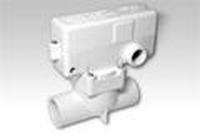
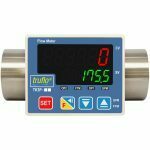
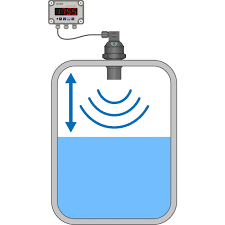
At Cannon Water Technology, we offer range of flow control devices such as flow sensors, flow switches, tank alarms, drum alarms, and more to avoid overflow, and more from trusted brands such as Carlon Meters, Walchem, Stenner, and others, ensuring reliability, quality, and efficiency for our clients’ needs. All of these devices cater to various aspects of flow control, level measurement, and so on. Also, they are handy and easy to use, and are designed to withstand corrosive and harsh environments.
Working Principle of Flow Control Devices
To regulate the flow of liquid, control valves get signals from connected sensors, based on which they maintain the required temperature, pressure, flow rate, and so on. This function of the valve is crucial as the flow velocity may change the temperature, pressure, and other parameters. The operational mechanics of modern liquid flow control systems begins with sensor technology that continuously measures flow characteristics including velocity, pressure, and volume.
These sensors transmit data to control units that process information against predetermined parameters, triggering valve adjustments when deviations occur. Actuators respond to electronic signals by modifying valve positions, either restricting or expanding flow passages to maintain target conditions. Feedback loops ensure constant system awareness, creating self-correcting mechanisms that respond to changing demands.
Advanced fluid flow control system architectures incorporate multiple measurement points throughout piping networks, enabling differential analysis and enhanced accuracy. Pressure compensators account for upstream and downstream variations, while temperature sensors provide additional data layers for comprehensive process monitoring. This multi-parameter approach ensures stability across fluctuating operational conditions, maintaining consistent output regardless of external variables.
Significance of Fluid Flow Control Systems in Industrial Applications
Fluid flow control devices offer a range of features that significantly improve process control and efficiency. Here’s why they are significant for industries that rely on fluid flow management.
- Precision Regulation: Maintain accurate flow rates and consistent process conditions to improve product quality and reduce operational variations.
- Energy Efficiency: Optimize fluid movement, reduce pump workloads, lower energy consumption, and minimize equipment wear.
- Safety Enhancement: Automatic shutdown and monitoring features help prevent excessive pressure, abnormal flow conditions, and potential equipment failures.
- Scalability: Modular designs allow easy integration of additional control components to accommodate changing process requirements and facility expansion.
- Compliance Support: Accurate flow measurement and automated data logging simplify audits and support environmental and operational compliance requirements.
How to Install Fluid Flow Control Systems?
Installing a fluid flow control system requires careful planning and precise execution to ensure optimal performance. Proper installation can enhance the longevity and efficiency of the system, while poor installation may result in operational failures or safety concerns.
- Equipment compatibility: Verify pipe size, connection type, material compatibility, and operating pressure.
- Installation location: Follow manufacturer requirements for mounting orientation, accessibility, and installation position.
- Flow conditions: Consider flow direction, upstream disturbances, and straight-pipe requirements where applicable.
- Electrical connections: Check power supply, wiring, grounding, and controller compatibility for electronic equipment.
- Testing and commissioning: Verify device operation, alarm functionality, and control responses before placing the equipment into service.
Maintenance Tips for Flow Control Devices
Routine maintenance of flow control devices ensures reliable performance and longevity. Regular checks and proper servicing prevent issues that could lead to system failures or inefficiency.
- Regular Inspections: Schedule periodic visual examinations of all flow control device components, checking for leaks, corrosion, and physical damage. Early detection of deteriorating conditions enables timely interventions that prevent catastrophic failures, reduce repair costs, and maintain operational continuity throughout production schedules.
- Sensor Cleaning: Contamination from process fluids gradually degrades performance, making regular cleaning essential for maintaining calibration standards and ensuring reliable data collection across monitoring networks. Remove accumulated deposits from sensor surfaces that interfere with measurement accuracy and create reading errors.
- Calibration Verification: Conduct periodic accuracy checks against reference standards to confirm sensors maintain specified tolerances over time.
- Valve Maintenance: Inspect and service control valves, replacing worn seals, cleaning actuators, and verifying smooth operation throughout stroke ranges. Mechanical wear compromises response times, and hence routine valve maintenance is critical for preserving system performance and preventing leakage that causes material losses.
- Record Maintenance: Historical records reveal patterns that inform replacement scheduling, support warranty claims, and provide valuable data for optimizing maintenance strategies and predicting future requirements.
What is Fluid Control Mechanism?
This is a mechanism in fluid dynamics that controls, operates, and manages flow control of fluids of varied consistencies. This is done in industrial processes which involve the flow and transfer of a given fluid from one node to other one or multiple nodes. The fluid may be thin, viscous, semi-solid, particulate, slurry, or any other consistency. The fluid control system has an indicator that issues an alert regarding any issue such as overflow, leakage, and more. It also sends messages to the system once the receiving end receives the fluid.
Beneficial Features and Types of Flow Control Systems
There are several benefits of each flow control device we offer. Here are some of the types of flow control systems we offer, along with their benefits.
- Flow Control Switches: Prevent pump dry running by automatically shutting down the pumping system when the preset flow conditions are not met. Their compact design allows easy installation in pumping systems.
- Flow Sensors and Flowmeters: Monitor, measure, and regulate fluid flow rates. Available options include water flow sensors and flowmeters designed for high-pressure and high-temperature applications.
- Liquid Level Controllers and Alarms: Monitor and control fluid levels in tanks using preset operating conditions. Options include drum alarms and flow alarms for reliable level monitoring.
- Drum Alarms: Made from durable polypropylene, these battery-operated devices monitor liquid levels inside drums. Their rugged construction supports reliable operation in corrosive, moist, and harsh environments.
Industry-Specific Applications of Flow Control Technology
Diverse sectors depend on precise liquid flow control system technology to meet unique operational requirements and regulatory obligations. Understanding industry contexts reveals how flow control technology enables critical processes.
- Water Treatment: Municipal and industrial facilities rely on accurate chemical dosing, filtration rates, and distribution management for safe water delivery. Precise flow regulation ensures proper disinfection levels, optimizes treatment chemical usage, and maintains consistent water quality that meets health standards.
- Chemical Processing: Chemical processing and formulating operations require exact reagent ratios, reaction temperature control, and batch consistency for product specifications. Flow accuracy directly impacts yield rates, product purity, and process safety, making sophisticated control systems essential for competitive chemical production.
- Pharmaceutical Manufacturing: Strict quality requirements in this sector necessitate validated flow measurement systems with complete traceability and documentation for regulatory submissions. Precision control ensures active ingredient concentrations, supports batch consistency, and provides audit trails that demonstrate manufacturing control throughout production processes.
- HVAC Systems: Commercial buildings utilize flow control for heating and cooling distribution, optimizing comfort while minimizing energy consumption. Balanced flow throughout building infrastructure ensures uniform temperature distribution, prevents equipment strain, and reduces operational costs through efficient resource utilization.
- Industrial Manufacturing: Production facilities across sectors require cooling water management, hydraulic system control, and process fluid regulation. Reliable fluid flow control system technology supports continuous operations, protects equipment from damage, and maintains the stable conditions necessary for consistent manufacturing output.
Our flow control systems and devices work at various levels and are applicable in several industrial processes. At Cannon Water Technology, we have an excellent team that understands your requirements and helps you select the right device. While we manufacture our own devices, as source them from other reputed players as well, such as Flowline, Gizmo, and more. In case you are interested in any of our flow control systems and devices, you can reach us via phone or email. Also, we can offer you a quote once we analyze your requirements.
FAQs
- How does ambient temperature affect flow control device performance and accuracy?
Extreme temperatures can impact sensor accuracy and valve operation, requiring temperature-compensated devices or environmental protection. We specify equipment rated for your installation environment to ensure reliable performance.
- How do flow control systems handle sudden demand spikes or supply interruptions?
Advanced systems incorporate surge protection, buffer capacity management, and intelligent response algorithms that maintain stability during disturbances. Proper system design anticipates operational variables and incorporates appropriate protective measures.
- Can flow control systems operate effectively with viscous or particulate-laden fluids?
Specialized sensors and valve designs accommodate challenging fluid properties including high viscosity, suspended solids, and corrosive chemicals. One needs to select proper equipment to meet specific requirements or fluid characteristics.
- How often should you calibrate flow instruments from professional calibration services?
Calibration frequency depends on application criticality, regulatory requirements, and observed drift patterns, typically ranging from quarterly to annually. We recommend establishing schedules based on your specific operational and compliance needs.