
Sewage Sludge Treatment: Process, Equipment, and How to Reduce Costs
Posted by David Cannon on 3rd Apr 2026
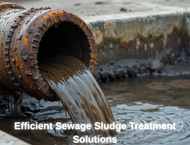
Sewage sludge is an unavoidable byproduct of wastewater treatment. It forms when solids settle at the bottom of treatment tanks during the sewage wastewater treatment process, leaving behind a dense mix of organic and inorganic matter that cannot simply be discarded. Before it can be safely disposed or repurposed, it must go through a structured sewage sludge treatment process that reduces contaminants, stabilizes the material, and brings it into compliance with environmental regulations.
But how do you manage sewage sludge treatment while minimizing costs? This post explains the sewage sludge treatment process, the equipment involved, and practical ways to reduce operational expenses without compromising performance.
Key Stages in the Sewage Sludge Treatment Process
There are several steps involved in the sewage sludge treatment process. Each stage is designed to handle specific aspects of sludge removal, ensuring the final product is safe and efficient for disposal or reuse within or outside a sewage wastewater treatment plant.
- Sludge Thickening: The first step in sewage sludge treatment is thickening. In this phase, the liquid portion of the sludge is separated, reducing the volume of water and increasing the concentration of solids. This makes the subsequent treatment steps more efficient.
- Sludge Digestion: After thickening, the sludge undergoes digestion. There are two main types of digestion: aerobic (using oxygen) and anaerobic (without oxygen). During digestion, bacteria break down organic matter, reducing sludge volume and producing biogas, which can be reused within or outside a sewage wastewater treatment plant as an energy source.
- Dewatering: Dewatering is a critical step in the sludge treatment process. It involves removing the remaining water from the sludge, making it easier and cheaper to transport and dispose of. Various dewatering methods, such as centrifuges, filter presses, and drying beds, can be used depending on the type of sludge and the specific requirements of the treatment plant.
- Drying: Finally, sludge is dried to reduce its volume even further and to ensure that it is fully stabilized. This step completes the treatment of sewage sludge, making it suitable for disposal or beneficial reuse, such as land application or composting.
Equipment and Technologies Used in the Various Stages of Sludge Wastewater Treatment
Efficient sewage sludge treatment relies on the right equipment and technologies. The right tools can reduce sludge volume, lower chemical usage, and improve overall performance. Here are key tools commonly used in sludge wastewater treatment:
Centrifugal Separators: They use high-speed rotation to separate solids from liquids, reducing sludge volume. Key benefits include:
- Efficient removal of excess water
- Production of drier sludge cake for easier disposal
- Suitability for continuous, large-scale operations
Wastewater Treatment Chemicals: Chemical treatment is crucial in treating sewage sludge, especially for fine particles or emulsified contaminants.
Common chemicals include:
- Flocculants: Bind small particles together for easier separation
- Coagulants: Neutralize suspended particles for better solid-liquid separation
- Emulsion Breakers: Break oil and water emulsions for easier separation
- Biocides: Control microbial growth, preventing system disruptions
Chemical Metering Pumps and Dosing Systems: Accurate dosing of chemicals is vital for effective treatment. Metering pumps ensure precise and consistent injection, improving efficiency and reducing waste. Here are the key benefits of metering pumps for sludge removal in wastewater treatment.
- Ensure accurate chemical dosing
- Support automation for precise control
- Help reduce chemical overuse and improve repeatability
Filtration Equipment (Cartridge Filters): Filtration equipment is used to remove remaining fine particles after primary sludge separation. Cartridge filters are commonly used due to their simplicity and effectiveness. The filters:
- Capture fine suspended solids
- Improve effluent clarity and quality
- Are easy to maintain and replace
Cartridge filters are often used as the final step to ensure clean, treated water ready for discharge or reuse.
Why Sewage Sludge Treatment Is a Major Cost Driver in a Plant
The treatment of sewage sludge is one of the most resource-intensive operations in a sewage wastewater treatment plant, and several factors contribute to its cost.
- Energy Consumption: Sludge treatment, especially digestion and dewatering, requires a significant amount of energy. High-energy equipment is needed for processes such as aeration, mixing, and pumping, which increases operational costs.
- Chemical Costs: Sludge treatment often involves adding chemicals to help with dewatering. These chemicals can add up quickly, especially when large volumes of sludge are being processed.
- Maintenance and Repairs: Treatment plants require regular maintenance of their equipment, from pumps and tanks to complex dewatering systems. As sludge treatment equipment is subject to wear and tear, the need for ongoing repairs or replacements can make this a costly part of the process.
- Disposal Fees: Even after treatment, sewage sludge needs to be disposed of safely. Whether it's sent to a landfill or used for agricultural purposes, disposal costs can vary widely based on local regulations, the volume of sludge, and other factors.
- Labor Costs: Operating and managing a sewage sludge treatment plant requires a skilled workforce. The complex nature of the treatment processes means that plants need qualified technicians and operators, which adds to labor costs.
Together, these factors make sludge treatment a major cost driver for wastewater treatment facilities, and managing these costs effectively is critical to maximizing the efficiency and profitability of a treatment plant.
How to Reduce Operational Costs in Sewage Sludge Treatment
Reducing the costs associated with sewage sludge treatment requires a multi-faceted approach. From optimizing equipment and processes to investing in the right technologies, here are some ways to cut down on operational expenses.
- Optimizing Sludge Removal and Dewatering: One of the best ways to reduce sludge treatment costs is by improving the dewatering process. Efficient sludge removal and dewatering technologies can reduce the volume of water in the sludge, meaning less energy is needed to treat it. Consider using advanced dewatering systems such as screw press, or centrifuges, which offer high efficiency and reduce chemical usage.
- Investing in Energy-Efficient Equipment: Energy costs are one of the largest expenses in sludge treatment. To reduce energy consumption, invest in energy-efficient equipment such as variable-speed pumps, low-energy mixers, and advanced aeration systems. These devices and systems can be partially or fully automated, and help minimize electricity usage without sacrificing treatment efficiency.
- Optimizing Chemical Usage: Chemicals play an essential role in sludge dewatering and stabilization, but they can also be expensive. By implementing proper dosing systems and monitoring, you can optimize the use of chemicals, reducing waste and lowering costs.
- Utilizing Anaerobic Digestion: Anaerobic digestion is a highly efficient method for treating sewage sludge. In addition to breaking down organic matter, this process produces biogas, which can be used to generate energy for the treatment plant. By using the plant’s waste to produce energy, you can reduce your reliance on external power sources and offset some of the treatment costs.
- Leveraging Automation and Monitoring: Automating sewage sludge treatment processes and implementing real-time monitoring systems helps improve efficiency and reduce human error. These systems integrate sensors, controllers, pumps, and valves to manage key functions such as monitoring water quality, adjusting treatment parameters, controlling chemical dosing, and maintaining consistent system operation.
Common Mistakes That Increase Sludge Treatment Costs
While there are many ways to reduce sludge treatment costs, some common mistakes can lead to unnecessary expenses. Here are a few to avoid:
- Inadequate Sludge Dewatering: Failing to properly dewater sludge results in higher disposal costs as more water needs to be removed later. Make sure that your dewatering systems are efficient and properly maintained.
- Overuse of Chemicals: Using too many chemicals for sludge treatment can significantly increase costs. Overdosing can also harm the environment and reduce the overall effectiveness of the treatment process.
- Neglecting Equipment Maintenance: Regular maintenance of equipment is essential for ensuring long-term efficiency. Neglecting maintenance of critical parts like metering pumps and filtration systems can lead to breakdowns, increased downtime, and costly repairs.
- Poor Process Design: Inefficient process design, such as improper sludge flow or inadequate mixing, can increase energy consumption and reduce treatment efficiency. Regularly review your processes to ensure they are optimized for maximum efficiency.
Ready to Lower Your Sludge Treatment Costs? Cannon Water Technology Can Help
Cannon Water Technology has spent over 36 years supplying wastewater treatment facilities with the equipment and chemicals that make sludge treatment more efficient and affordable. Whether your facility needs better solid-liquid separation, more precise chemical dosing, or a complete review of your sludge conditioning chemistry, Cannon Water has the products and the application experience to help you find the right solution.
FAQs
- How does sludge composition impact equipment selection?
Sludge with high oil, grease, or fine solids behaves differently during separation, which directly impacts the efficiency of equipment like centrifuges, chemical treatments, or filtration systems.
- How can operators monitor sludge quality in real time?
Real-time monitoring is done using sensors for parameters like turbidity, solids concentration, and pH. These inputs help adjust dosing, flow rates, and treatment conditions instantly, improving consistency and reducing waste.
- Is it possible to reuse treated sludge within industrial operations?
In some cases, yes. Treated sludge can be repurposed for applications like soil conditioning, construction materials, or energy recovery, depending on its composition and local regulations.