
KNIGHT UMP Digital Plus for Door-Type Commercial Dishwashers | Setup & Application Guide
Posted by David Cannon on 25th Sep 2026
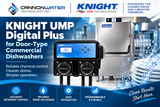
KNIGHT UMP Digital Plus for Door-Type Commercial Dishwashers
Commercial door-type dishwashers require accurate chemical dispensing to maintain detergent concentration, properly apply rinse aid, and deliver consistent warewashing results. A properly configured chemical dispenser should also work with the dishwasher's operating cycle rather than simply feeding chemicals on a fixed schedule.
The KNIGHT UMP Digital Plus is designed for commercial warewashing applications and can control liquid dete
Vacuum Evaporators for Wastewater: Turning Complex Waste Streams into Manageable Solutions
Posted by David Cannon on 23rd Sep 2026
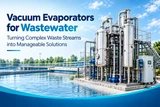
Industrial wastewater can contain high concentrations of dissolved salts, metals, oils, chemicals, and other contaminants that make treatment, discharge, and disposal increasingly challenging. For many facilities, managing these complex waste streams while controlling disposal costs and meeting water-reuse goals requires more than conventional treatment alone. Vacuum evaporation provides an alternative approach by separating water from dissolved and suspended contaminants, producing a distilled
Anaerobic Digestion Wastewater Treatment: How It Works and Its Benefits
Posted by David Cannon on 22nd Sep 2026
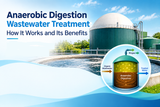
Managing sludge is a major consideration for wastewater treatment facilities, particularly when organic solids require stabilization before further handling or disposal. Untreated sludge can contain substantial biodegradable material, making effective solids management an important part of the overall treatment process.
Anaerobic digestion provides a controlled biological method for treating these solids without oxygen. In a sealed digester, microorganisms progressively convert biodegradable org
Sludge Dewatering Systems: How They Work and Why They Matter in Wastewater Treatment?
Posted by David Cannon on 18th Sep 2026
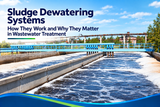
Wastewater treatment facilities face ongoing challenges in managing the large volumes of sludge generated during treatment processes. As sludge can contain a significant amount of water, its handling, transportation, storage, and disposal can increase operational demands and downstream management requirements.
A sludge dewatering system helps reduce the water content of sludge by separating water from solids, producing a more concentrated material that is easier to manage. Various sludge dewater