
Sludge Dewatering Systems: How They Work and Why They Matter in Wastewater Treatment?
Posted by David Cannon on 18th Sep 2026

Wastewater treatment facilities face ongoing challenges in managing the large volumes of sludge generated during treatment processes. As sludge can contain a significant amount of water, its handling, transportation, storage, and disposal can increase operational demands and downstream management requirements.
A sludge dewatering system helps reduce the water content of sludge by separating water from solids, producing a more concentrated material that is easier to manage. Various sludge dewater
How Ferrofluids Can Improve the Removal of Heavy Metals from Industrial Wastewater?
Posted by David Cannon on 17th Sep 2026
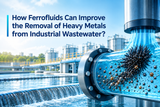
Industrial wastewater from electroplating, metal finishing, mining, and electronics manufacturing may contain heavy metals such as lead, cadmium, chromium, nickel, copper, and zinc. Removing these dissolved contaminants can be challenging because wastewater chemistry and other dissolved substances can influence treatment performance. Effective removal is important for maintaining effluent quality and helping meet applicable discharge requirements.
An emerging solution to this challenge is the us
What Causes a Pump to Seize? Common Causes and Prevention Strategies
Posted by David Cannon on 15th Sep 2026

Among the most serious pump-related issues is pump seizure, a condition that prevents internal components from rotating and can bring essential processes such as chemical dosing, filtration, cooling tower operation, and boiler treatment to a standstill. Such unexpected pump failure can quickly disrupt critical water treatment operations, leading to reduced system performance, process interruptions, increased maintenance costs, and unplanned downtime.
As pump seizure often develops from underlyin
Industrial Water Recycling System: Centralized vs. Decentralized Solutions
Posted by David Cannon on 10th Sep 2026

Industrial facilities generate wastewater streams that often vary in flow, contaminant characteristics, and treatment requirements. Industrial wastewater recycling systems help facilities treat wastewater and reuse it for suitable applications, reducing reliance on fresh water and supporting more efficient water management. Depending on facility size, process layout, water quality requirements, and available infrastructure, treatment may be organized around a centralized or decentralized approac