
How to Monitor Water Quality in Containerised Treatment Systems?
Posted by David Cannon on 24th Aug 2026
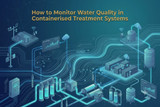
Containerised treatment systems are prefabricated, modular water treatment units installed inside standard shipping containers or purpose-built enclosures. These systems integrate treatment equipment, pumps, filtration units, chemical dosing equipment, instrumentation, controls, and piping into a compact, transportable package. In industrial applications, they can be deployed for process water treatment, industrial wastewater treatment, water reuse, pretreatment, and emergency or temporary treat
How Grey Water Recycling Systems Improve Industrial Water Efficiency?
Posted by David Cannon on 17th Aug 2026
Industrial facilities generate significant volumes of wastewater through routine activities, such as equipment cleaning, washdown operations, and employee facilities. Rather than directing all of this water to discharge, many organizations are evaluating opportunities to recover and reuse suitable water streams to improve overall water efficiency and support resource conservation goals.
A grey water recycling system offers an effective approach by capturing, treating, and reusing water generated
Electrocoagulation in Industrial Water Treatment: Process, Equipment, and Applications Explained
Posted by David Cannon on 11th Aug 2026
Industrial wastewater often contains a complex combination of heavy metals, emulsified oils, grease, and suspended solids that conventional treatment methods may struggle to remove efficiently. As industries face stricter discharge regulations and growing water reuse initiatives, the demand for advanced treatment technologies continues to increase. Electrocoagulation in water treatment has emerged as an effective solution as it uses an electric current to generate coagulants directly from sacrif
Fluoride Management in Industrial Water Treatment: Best Practices and Solutions
Posted by David Cannon on 6th Aug 2026

Fluoride occurs naturally in many groundwater and surface water sources and may also be present in municipal water supplies used by industrial facilities. Depending on the application and source water characteristics, the fluoride level in water may require monitoring and control to achieve specific process, product, or regulatory water quality requirements. Effective management of fluoride in water helps maintain consistent process performance, protect downstream equipment, and support reliable