
Sand Filter vs Multimedia Filter in Water Treatment: Key Differences Explained
Posted by David Cannon on 22nd Oct 2026

Water treatment systems often face challenges such as fluctuating suspended solids levels particle accumulation, increasing pressure drop, and frequent backwashing requirements. Selecting the right filtration media is essential to maintaining consistent water quality and protecting downstream equipment.
Several filtration systems are used to address these challenges, with sand filters and multimedia filters being common choices for water treatment. But their performance differs based on media co
What Is Chlorine Residual and Why It Is Important in Water Treatment?
Posted by David Cannon on 22nd Oct 2026
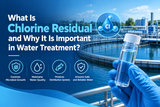
Chlorine is widely used in drinking water treatment to control harmful microorganisms and maintain water quality. However, adding chlorine is only one part of the disinfection process. Monitoring chlorine residual in water treatment helps operators assess the disinfectant remaining in treated water. This guide explains what chlorine residual is, its importance in water treatment, recommended levels for drinking water, and how it is measured and monitored.
What Is Chlorine Residual in Water Treat
Free Chlorine vs Total Chlorine: Understanding the Difference
Posted by David Cannon on 16th Oct 2026
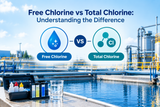
Chlorine is widely used in water treatment to control microbial growth and maintain water quality across municipal, commercial, and industrial applications. However, monitoring chlorine levels requires understanding the different measurements used to evaluate disinfectant residuals. The terms free chlorine and total chlorine are often used together; however, they do not represent the same measurement.
Understanding free chlorine vs total chlorine helps professionals assess disinfectant availabil
Scale vs Corrosion in Water Systems: Causes and Differences
Posted by David Cannon on 15th Oct 2026
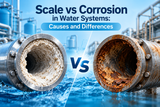
Scale and corrosion are two common problems in water systems, but they affect equipment in different ways. Scale deposits can restrict heat transfer, reduce flow through pipes, and impair equipment efficiency. Corrosion gradually degrades metal surfaces, potentially causing leaks, equipment damage, and water contamination. When both occur in the same system, diagnosing the underlying causes becomes more complicated.
Understanding the scaling and corrosion difference helps facility operators ide