
Smart Safety Management: Simplifying Operations in High-risk Industries
Posted by David Cannon on 27th May 2026
Water and wastewater treatment facilities operate in high-risk environments involving hazardous chemicals, biological contaminants, confined spaces, and complex processing systems. Maintaining operational safety, process reliability, and regulatory compliance has become increasingly challenging due to aging infrastructure, rising operational demands, and evolving environmental standards.
To improve operational control and reduce risks, many facilities are adopting a smart safety management syste
What is Total Suspended Solid (TSS) in Wastewater & How Can It Be Reduced Effectively?
Posted by David Cannon on 22nd May 2026
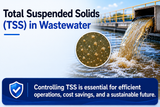
Wastewater quality monitoring plays a vital role in protecting public health, preserving aquatic ecosystems, and maintaining efficient industrial operations. Before wastewater can be discharged or reused, it must be carefully analyzed and treated to remove harmful contaminants that may pollute rivers, lakes, groundwater, and municipal water systems.
Among the many water quality parameters monitored, total suspended solids in water is one of the most critical indicators of contamination, as high
Design Considerations for Diaphragm Seals in Steam and Thermal Fluid Systems
Posted by David Cannon on 18th May 2026
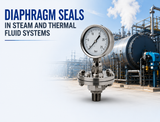
A diaphragm seal pressure transmitter is a critical component in industrial pressure measurement systems operating under high-temperature, corrosive, or viscous process conditions. In steam and thermal fluid systems, direct exposure of pressure instruments to process media can result in sensor damage, inaccurate readings, and reduced operational reliability. Pressure instrumentation diaphragm seals create a physical barrier between the process fluid and the sensing element, allowing accurate pre
Plant Based Water Purification vs Chemical Water Treatment: Choosing the Right Approach for Modern Water Challenges
Posted by David Cannon on 15th May 2026
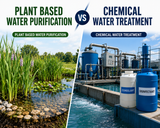
Water treatment is no longer limited to removing visible impurities. Today, facilities must address a growing range of contaminants, including industrial chemicals, heavy metals, pathogens, nutrients, and organic waste, while also meeting increasingly strict environmental regulations. This shift has driven greater interest in both plant based water purification and chemical water treatment methods across industrial, commercial, and municipal sectors. Both approaches offer clear advantages, but t